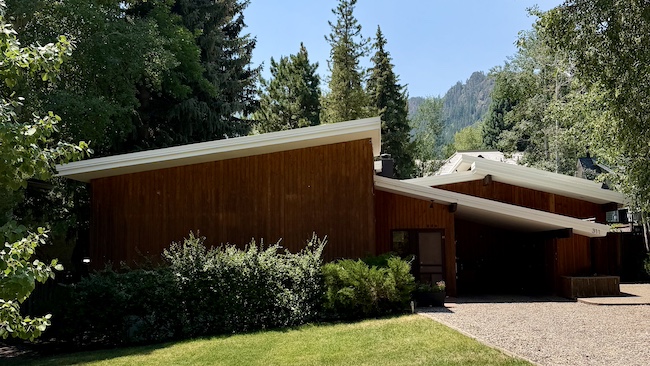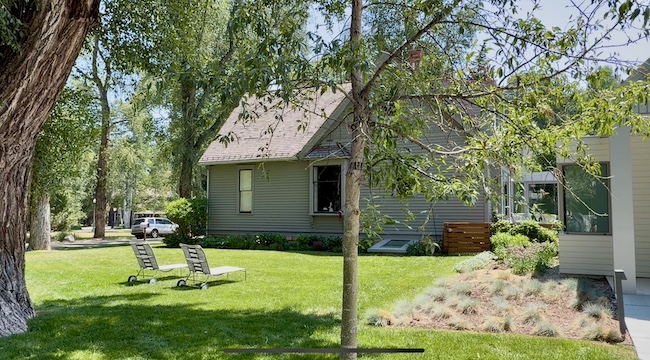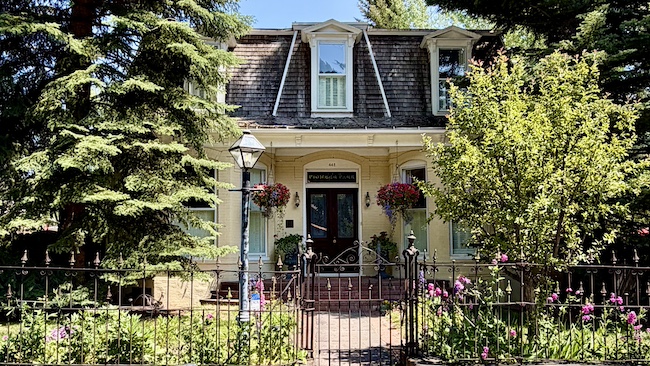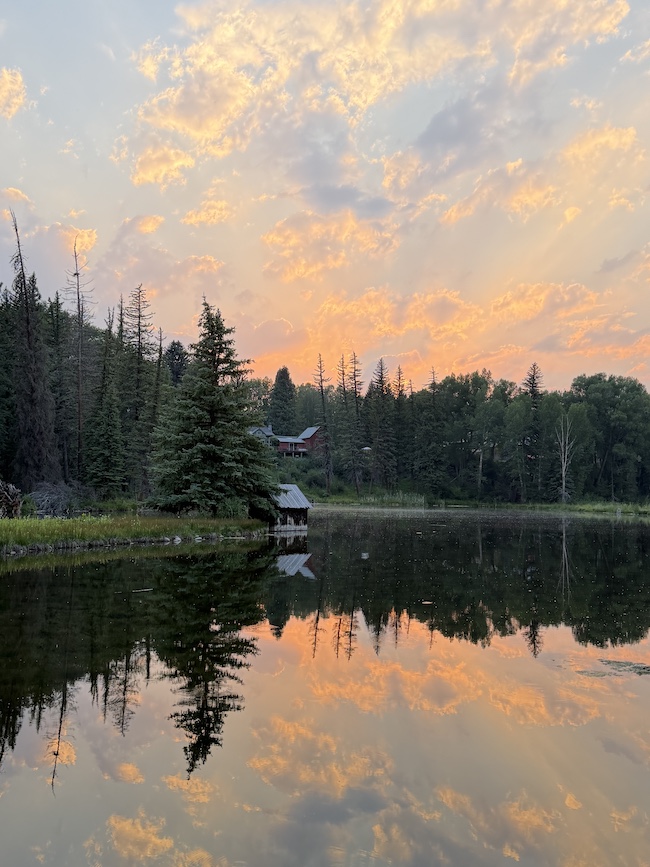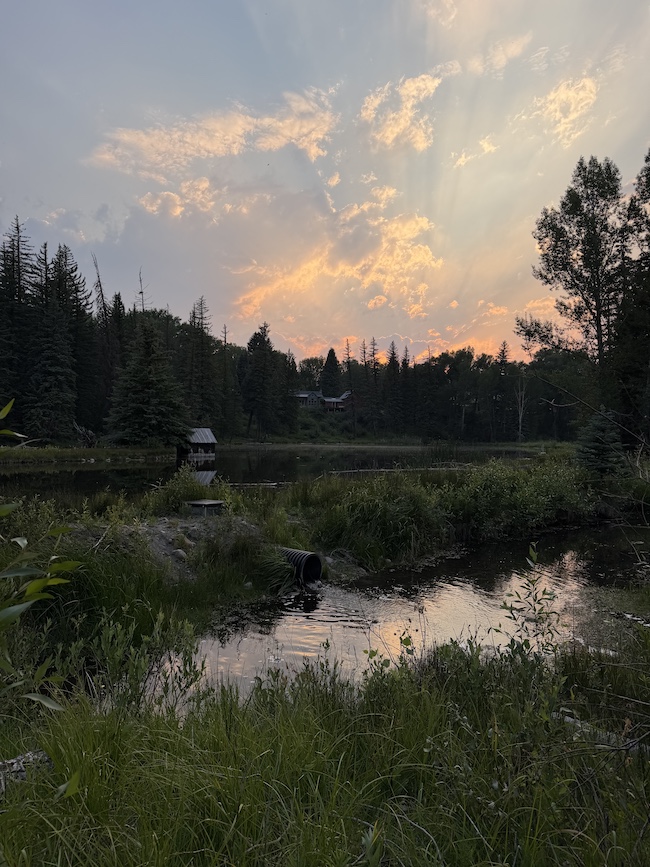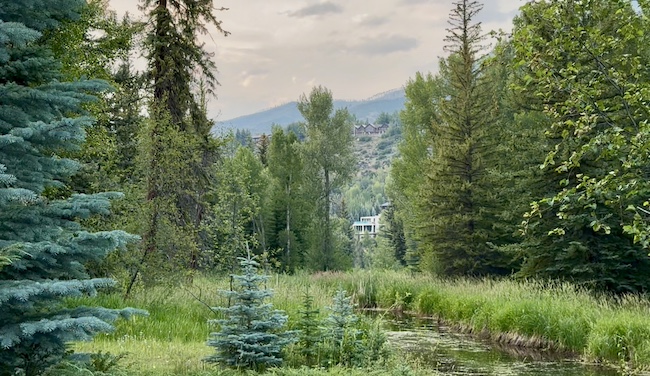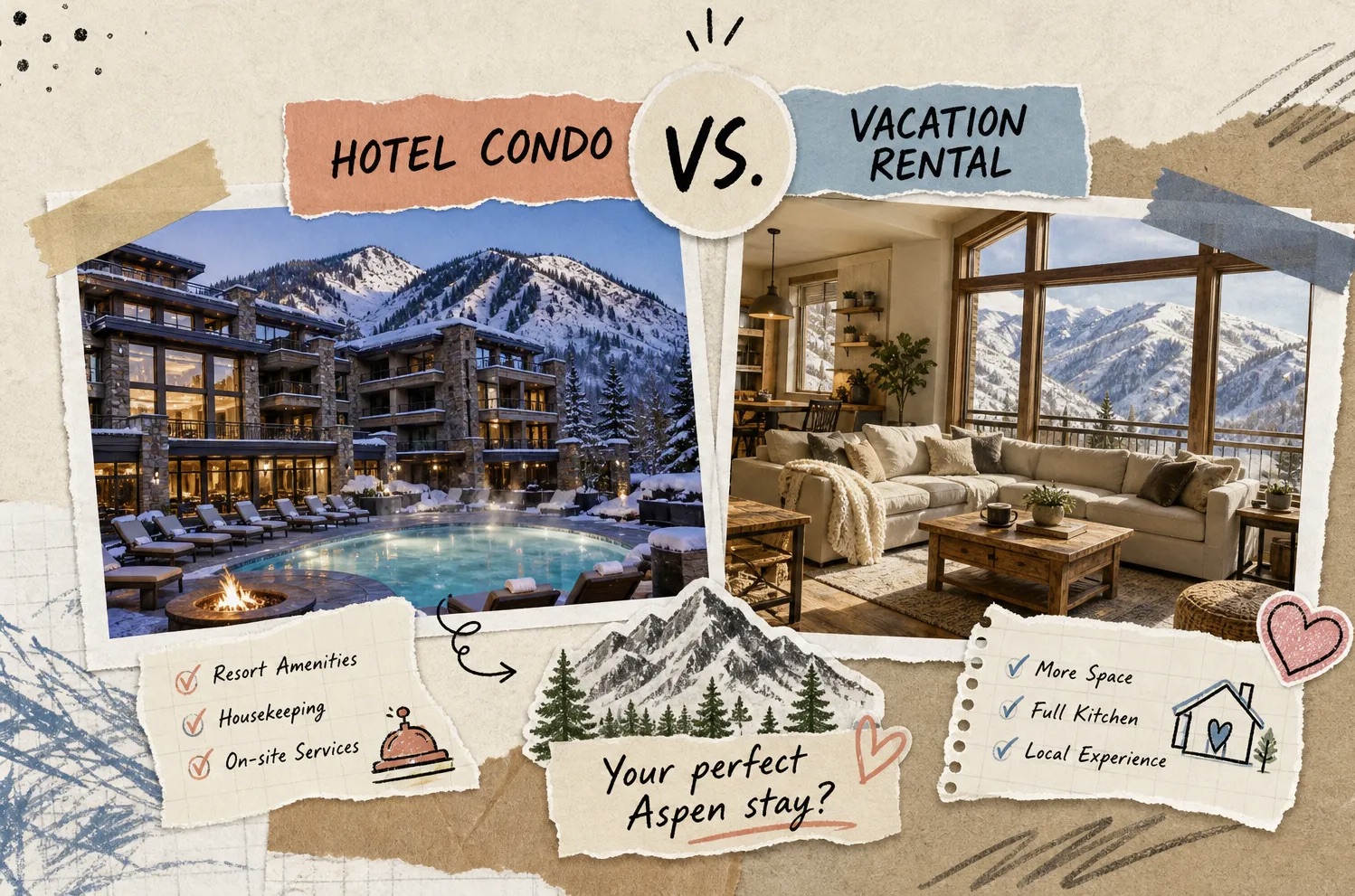
Aspen Snowmass 🏔️ Real Estate News 📰

This blog is a wealth of information for Aspen, Snowmass and the Roaring Fork Valley,. We cover everything from local market statistics and home values to community happenings. That’s because we care about the community and want to help you find your place in it. Please reach out if you have any questions at all. We’d love to talk with you!

July 26, 2026

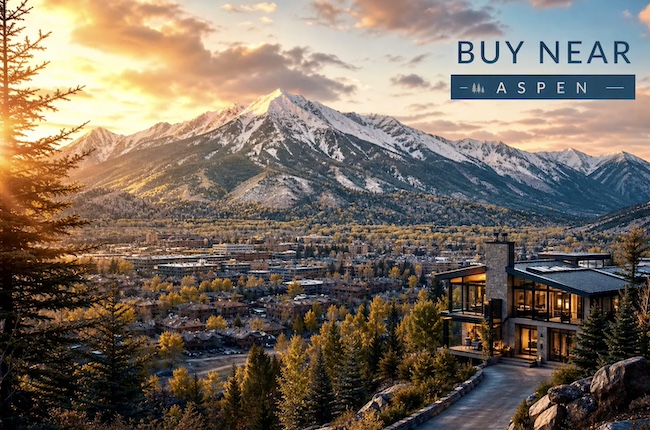
Where to Buy Near Aspen: Best Neighborhoods in 2026

Where to Buy Near Aspen | Best Neighborhoods to Consider

Where should I buy a home near Aspen, Colorado? It's the question every serious buyer in this market eventually has to answer, and the Roaring Fork Valley makes it genuinely complicated. Aspen's real estate market carries some of the highest price tags in the country, with single-family homes selling at a rolling median above $12 million in 2026. But the valley stretches well beyond the city limits, and every mile down-valley opens up communities that still deliver genuine mountain living at a fraction of the cost. The question is not just what you can afford, but where your actual life fits best.

This guide covers six communities: Aspen, Snowmass Village, Basalt, Carbondale, Woody Creek, and East Aspen. Each is evaluated across four factors that drive most buyer decisions: ski access, daily commute tolerance, home prices, and rental income potential. Once you know how you rank those four priorities, the right shortlist becomes clear quickly. Aspen Home Listings aggregates active listings across all six communities in a single platform. Unlike national portals, it reflects actual local market depth across the full valley, so you can compare options in Snowmass Village, Basalt, Carbondale, and beyond without the gaps that typically come with national search tools.

The Roaring Fork Valley Real Estate Market in 2026

Before comparing individual towns, buyers need a price baseline. The word "affordable" means something very specific in this market: even the valley's most budget-friendly towns carry seven-figure median prices. Knowing the full price spectrum upfront prevents misaligned expectations before you start touring properties.

What Prices Look Like Across the Valley Right Now

Aspen single-family homes carry a median listing price around $18.5 million, but median sale prices tell the real story closer to $12 million, reflecting the concentration of ultra-luxury transactions closing here. Snowmass Village homes for sale at the single-family level sit near $13.4 million at median listing, with a June 2026 median sale price of roughly $6.2 million. Basalt CO real estate and Carbondale homes near Aspen land at roughly $2.7 million and $3.2 million respectively for single-family median listing prices, making them the true value plays in the valley. Condos open the market somewhat: Basalt and Carbondale both list near $1.3 to $1.4 million, while Snowmass Village condos carry a $2.8 million median listing price. Woody Creek is its own category entirely, with a $16.6 million median listing price that puts it firmly in ultra-luxury rather than alternative territory.

The Four Questions That Should Drive Your Decision

Every section that follows is organized around four buyer priorities. Rank these honestly before reading further, your answers will do most of the work for you.

  1. How important is ski-in/ski-out or walk-to-lift access?
  2. How much daily commute can your household realistically absorb?
  3. Are you buying primarily for personal use, rental income, or both?
  4. What does your household want from this community outside of ski season?

Where Should I Buy a Home Near Aspen, Colorado, Neighborhoods Compared

Each community in the Roaring Fork Valley has a clear identity, and the tradeoffs between them are real. The summaries below are designed to match buyer priorities to the right shortlist as directly as possible.

Snowmass Village: The Resort-Life Choice for Ski-First Buyers

Snowmass Village is built around the mountain. Many properties offer genuine ski-in/ski-out access, the village is self-contained with resort dining and Base Village activity year-round, and families can place their children in Aspen School District schools with ski school steps from the front door. For buyers who treat ski access as the non-negotiable at the top of their list, Snowmass is the natural starting point.

Price Ranges and Property Types in Snowmass Village

Single-family homes carry a $13.4 million median listing price, which narrows the buyer pool considerably. The condo market is where most transactions happen, with a 2025 median sale price of $1.75 million across the segment. Hotel condos and vacation rental-eligible condos are a notable subcategory here. Snowmass Village homes for sale come with some of the most flexible short-term rental rules in the area: no annual night cap, no prior rental history requirement, and a $400 permit fee plus a business license.

For buyers who want rental income as a meaningful part of the financial equation, that regulatory flexibility is a genuine differentiator. Unincorporated Pitkin County imposes a 120-night annual cap and a prior rental history requirement that can limit options significantly, a contrast worth understanding before you settle on a location.

Who Snowmass Village is Built For

The village draws three consistent buyer profiles: families who want their children in the Aspen School District with mountain access baked into the daily routine; buyers who want to eliminate the daily Aspen commute during ski season; and investors targeting strong seasonal rental demand in a resort setting with permissive short-term rental rules. The honest tradeoff is that Aspen's restaurant scene, nightlife, and cultural programming sit roughly 20 minutes away by car. Snowmass has its own energy, but it is quieter and more contained than Aspen's downtown core, which suits some buyers perfectly and disappoints others.

Basalt: The Valley's Best Commute-to-Value Balance

Basalt sits about 25 minutes down-valley from Aspen under normal conditions, extending to a 30- to 40-minute drive during peak ski season traffic. It consistently earns its reputation as the sweet spot for buyers who want more home for the money without sacrificing a workable commute. This is a real town with its own identity, independent restaurants, and a local community that does not revolve entirely around the resort calendar.

What Your Budget Gets You in Basalt

Single-family homes list around $2.7 million, with a June 2026 median sale price of $2.5 million. Condos list near $1,023,000, representing meaningful savings compared to Snowmass Village at the same property type. Basalt CO real estate typically offers larger lots, more square footage, and more architectural variety than the resort-concentrated inventory you find closer to the mountain, buyers routinely find that value per square foot here makes a compelling case for a primary residence over a ski-season-only property.

Lifestyle, Schools, and Rental Potential in Basalt

Basalt's walkable downtown, local dining, and direct access to Roaring Fork outdoor recreation give it a genuine town identity that attracts full-time residents and relocating professionals. Families are served by Roaring Fork School District schools, including Basalt Elementary, Basalt Middle School, and Basalt High School. Ski access requires a commute, but the drive to Aspen and the roughly 20-minute trip to Snowmass Village are workable for buyers who are not skiing every single day. Short-term rental rules in Basalt fall under the town's own municipal ordinance rather than Pitkin County's framework, so buyers with rental income goals should verify current permit specifics directly before assuming county rules apply.

Carbondale: The Most Affordable Town with Genuine Character

Carbondale is where the Roaring Fork Valley starts to feel like a real town rather than a resort extension. It draws artists, outdoor athletes, and a year-round community that values local culture as much as mountain access. The median single-family listing price of $3.2 million and condo median of $900,000 make it the most affordable entry point among the commonly considered commuter towns in the valley.

Carbondale Home Prices and The Commute Reality

The commute to Aspen from Carbondale stretches to 40 to 60 minutes depending on traffic and season, that is the primary tradeoff buyers accept here. It is manageable for buyers who are not skiing every day, but it deserves honest stress-testing against your actual schedule before committing. The RFTA bus line runs the full length of the valley and reduces the burden for buyers who want a car-free or car-light option for at least some trips into Aspen or Snowmass. Families are served by Roaring Fork School District schools, including Carbondale Community Charter School for K through 8.

What Carbondale Offers That Resort Towns Don't

Carbondale has a strong arts community, independent retail, excellent local dining, and a Main Street that feels organic rather than resort-curated. For buyers relocating full-time, that kind of town infrastructure matters enormously outside of ski months. The privacy, space, and pace of life here is meaningfully different from Snowmass or Aspen's core, and that difference is precisely the point for a significant segment of buyers in this valley. If your household ranks lifestyle and community over ski convenience, Carbondale belongs on your shortlist.

Woody Creek and East Aspen: Two Distinct Ultra-Premium Plays

Woody Creek sits roughly 10 to 15 minutes down-valley from Aspen but functions as a secluded residential enclave rather than a commercial town. With a median listing price around $9.5 million for single-family homes, it is not a value play. It is a privacy market, drawing buyers who want significant acreage, a buffer from resort-town energy, and proximity to Aspen without the congestion of its core.

The Woody Creek Buyer Profile

Buyers drawn to Woody Creek are typically looking for meaningful acreage, a quiet residential footprint, and minimal overlap with tourist traffic. There is no walkable commercial strip here, and ski access requires a drive. The appeal is a combination of proximity to Aspen and a feeling of complete seclusion, which has made Woody Creek a longtime choice for buyers who prize discretion above all else. This is not the right market for buyers optimizing on value or commute. It is the right market for buyers optimizing on privacy.

East Aspen: The Aspen Address with Upside Potential

East Aspen sits within Aspen's city limits and carries a different value proposition than the Central Core or West End. It has posted strong year-over-year appreciation and draws buyers focused on land value and development opportunity rather than established prestige pricing. For buyers who want an Aspen address with room for value upside rather than paying peak Central Core prices, East Aspen is worth including on any serious shortlist. It also benefits from proximity to Aspen's full amenity set, including the school district, without sitting at the very top of the city's price spectrum.

Matching Your Priorities to the Right Community

The decision framework becomes straightforward once you rank your priorities honestly. Buyers often find that two priorities feel nearly equal, ski access and commute, or value and community character, which is exactly why reviewing active inventory side by side matters as much as the framework itself.

A Shortlist by Buyer Priority

  • Ski-first buyers who want rental income flexibility: Snowmass Village. Ski-in/ski-out access, no annual night cap on short-term rentals, and strong seasonal demand combine here in a way no other valley community can match.
  • Primary residence buyers who want commute balance and maximum value: Basalt. The 25- to 40-minute drive to Aspen is workable, the price per square foot is genuinely competitive, and the town infrastructure supports a full-time life.
  • Buyers prioritizing space, community character, and the lowest entry price in the valley: Carbondale. Accept the longer commute and you get the most home for the money along with a town that has its own identity year-round.
  • Buyers for whom privacy and acreage are non-negotiable: Woody Creek. The price reflects the scarcity of the offer, and the tradeoffs on ski access and nightlife are clear going in.
  • Buyers who want an Aspen address with appreciation upside: East Aspen. Land value, development opportunity, and strong recent appreciation make it worth considering alongside the more established Core and West End neighborhoods.

Using Aspen Real Estate Search to Compare Active Inventory

Once your shortlist is down to two or three communities, the practical next step is reviewing what is actually on the market right now. Aspen Real Estate Search aggregates listings across Snowmass Village, Basalt, Carbondale, Woody Creek, East Aspen, and the entire Roaring Fork Valley in one platform, covering condos, single-family homes, ski condos, vacation rental-eligible units, hotel condos, and ranches. Search by area, filter by property type, and review current pricing in one place. For a market this specific and this complex, a platform built for this valley is a meaningful advantage over general search tools that typically lack local inventory depth.

Start with Your Priorities, Then Find the Property

If you're still asking where to buy a home near Aspen, Colorado, the answer depends entirely on how you plan to use the property, how often you want to ski, and how much commute your household can absorb. Snowmass Village delivers ski-in/ski-out access and rental flexibility. Basalt offers the best commute-to-value ratio in the valley. Carbondale gives you the most home for the money and a town with genuine year-round roots. Woody Creek offers privacy without parallel. East Aspen gives you an Aspen address with room to grow.

Start by deciding which two of those priorities matter most to your household. Then explore active inventory in the communities that match. Aspen Real Estate Search covers the full range of property types across every community in this guide, from ski-in/ski-out condos in Snowmass Village to single-family homes in Basalt to ranches in the mid-valley. Use it to pressure-test your shortlist with real listings and current prices.

Speak with a Realtor

When you're ready to speak with a Realtor, David is here to help you take the next steps.
July 23, 2026

Discover Aspen's Historic West End: A Walking Tour Through Architecture, History, and Hidden Gems

Aspen is known worldwide for its skiing, luxury lifestyle, and breathtaking mountain scenery. However, beyond the famous slopes lies one of Colorado's most fascinating historic neighborhoods, Aspen's West End.

Recently, I had the opportunity to join a walking tour hosted by the Aspen Historical Society and led by volunteer guide Amy Honey. The tour offered an incredible look into Aspen's rich history, remarkable architecture, and the influential people who helped shape this iconic mountain town.

Whether you're a history enthusiast, architecture lover, or considering purchasing real estate in Aspen, this tour is one of the best experiences the city has to offer.

The Story of Aspen Begins

The tour begins with Aspen's mining roots, tracing the Colorado Gold Rush of 1859 and the silver boom that transformed Aspen into one of the wealthiest towns in the American West during the late 1800s.

Although the silver crash eventually slowed development, much of Aspen's Victorian architecture survived. Today, these beautifully preserved homes remain one of the defining features of the Historic West End.

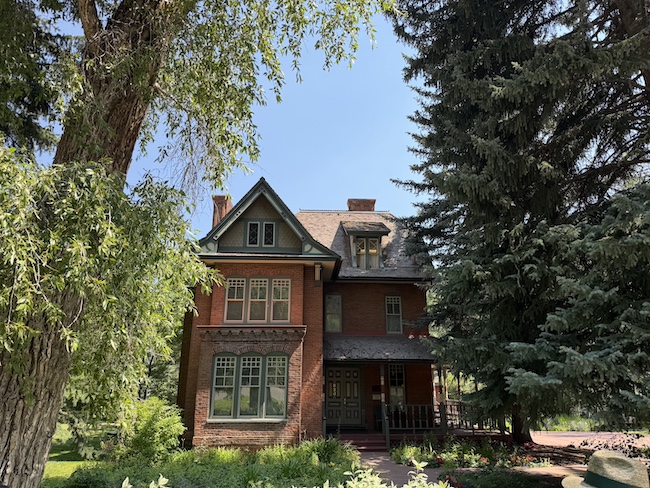
The Wheeler-Stallard Museum

Wheeler Stallard Museum in Aspen's West End

Wheeler-Stallard Museum at 620 W Bleeker St.

Our first stop was the Wheeler-Stallard Museum, home of the Aspen Historical Society.

Built by mining entrepreneur Jerome Wheeler, the property occupies an entire city block because Wheeler intentionally purchased the surrounding land rather than allowing alleys behind his home.

Today, the museum serves as an excellent introduction to Aspen's fascinating past and offers visitors a deeper appreciation for the city's historic preservation efforts.

Herbert Bayer's Lasting Influence on Aspen

Herbert Bayer Home on W North Street in Aspen

Bayer Designed Home on W North Street

One of the most fascinating stories from the tour centered around Herbert Bayer.

Originally from Austria and later associated with Germany's Bauhaus movement, Bayer arrived in Aspen after being recruited by Walter Paepcke to help redefine the town as a cultural destination following the mining era.

His influence can still be seen throughout Aspen today.

From distinctive fencing designs to elegant mid-century modern homes, Bayer blended modern architecture with Aspen's natural mountain landscape in ways that continue to inspire architects decades later.

One highlight was a beautiful Bayer-designed home on West North Street whose roofline was intentionally designed to resemble Colorado's snow-covered mountain peaks.

Victorian Charm Meets Modern Design

Aspen West End Historic Home Connected to Modern Addition

Example of Historic Home Connected to a Modern Addtion

One of the most enjoyable aspects of walking through Aspen's West End is the remarkable architectural diversity.

Historic Victorian homes sit comfortably beside striking modern residences and beautifully restored mid-century modern masterpieces.

Several homes seamlessly connect historic structures with contemporary additions, demonstrating how Aspen continues to preserve its history while embracing modern design.

It's a neighborhood unlike any other in Colorado.

Hidden Stories Around Every Corner

The walking tour is filled with memorable stories that bring Aspen's history to life.

Henry Webber Home on the West End of Aspen

Henry Webber Home on the West End

Visitors learn about:

  • The Henry Webber House, Aspen's first all-brick residence
  • Gretl's historic home, where visitors reportedly included John F. Kennedy and Jack Nicholson
  • Boarding houses relocated from other parts of Aspen
  • Historic irrigation ditches that still flow throughout town
  • Towering cottonwood trees planted during Aspen's early years
  • French-inspired Mansard roof architecture
  • Stunning views of Ajax Mountain from quiet residential streets

Every stop adds another chapter to Aspen's remarkable story.

Why Aspen Has Almost No Art Deco Buildings

One of the more surprising facts shared during the tour explained why Aspen has virtually no Art Deco architecture.

After the collapse of the silver mining industry, Aspen experienced decades of economic hardship. During the prosperous 1920s—when Art Deco flourished across America—there simply wasn't enough money in Aspen for significant new construction.

Instead, development resumed decades later, helping create the unique blend of Victorian and mid-century modern architecture seen today.

Why You Should Take This Tour

The Aspen Historical Society does an outstanding job preserving the stories that make Aspen so unique.

Rather than simply admiring beautiful homes from the street, visitors gain an understanding of the people, architects, entrepreneurs, and visionaries who built Aspen into the destination it is today.

Whether you're visiting for a weekend, relocating, or simply love architecture and history, the Historic West End Walking Tour is one of Aspen's most rewarding experiences.

Thinking About Living in Aspen?

As someone who specializes in Aspen real estate, I believe understanding the town's history adds tremendous value when considering a home here.

From historic Victorians to contemporary mountain estates, every neighborhood has its own story.

If you're considering buying or selling real estate in Aspen or simply have questions about the local market, I'd be happy to help.

David Buck
Christie's International Real Estate

Phone: 808-371-3509


Conclusion

Aspen's Historic West End is much more than a beautiful neighborhood—it's a living museum filled with stories, remarkable architecture, and a rich cultural heritage.

Thanks to the Aspen Historical Society and knowledgeable guides like Amy Honey, visitors can experience the history behind the homes while gaining a deeper appreciation for one of Colorado's most iconic communities.

If you're planning a trip to Aspen, be sure to add the Historic West End Walking Tour to your itinerary. You'll leave with a new perspective on this extraordinary mountain town.

Posted in Aspen
July 20, 2026

Aspen vs. Snowmass: Where Should You Buy Property in 2026?

Aspen vs Snowmass in 2026

Is Aspen or Snowmass better to buy property? Eight miles of mountain highway separate the two towns, but the distance between them as real estate markets is far greater. One commands the most recognizable resort address in the country; the other delivers arguably better ski access at meaningfully lower price points. Both sit within the same Roaring Fork Valley ecosystem, share the same mountain and lift system, and draw from the same pool of high-net-worth buyers. Yet choosing between them shapes everything: your budget, your negotiating leverage, your rental income potential, and the daily texture of life in the Rockies.

This guide covers the five factors that matter most when comparing the two markets: what you actually pay, what daily life looks like, how each community has appreciated over time, what the short-term rental landscape allows, and where buyers hold leverage right now in 2026. Aspen Real Estate Search covers both markets in a single platform, so you can compare listings side by side without switching tools or starting your research over. That context matters as you read through the data below.

Is Aspen or Snowmass Better to Buy Property? What You Actually Pay in Each Market

Aspen's Price Reality Across Property Types

The overall median Aspen Home sits at $11,250,00 year-to-date through June 2026, but that number flattens a market with enormous internal range. Single-family buyers face a full-year 2025 median of $17.5M, which climbed to $22.75M in Q1 2026. Condo buyers operate in a different tier entirely, with the year to date median coming in at $3,387,500.

Price per square foot across all residential segments consistently exceeds $3,000, with ski-in/ski-out properties reaching $6,000 to $7,000 per square foot in prime zones. A $4M budget in Aspen puts you squarely in the condo market, likely at 1,000 to 1,300 square feet depending on location and condition. You are not in the single-family conversation at that number, but you are buying into a legitimate Aspen address with real long-term upside.

Snowmass Village Prices and What the Budget Unlocks

When weighing Aspen home prices vs. Snowmass, the gap is narrowing faster than most buyers expect. The Snowmass single-family median hit $8.25M in 2025 and jumped to $10.6M in January 2026, driven by record-breaking individual sales, a pattern that reflects both thin inventory and outsized individual transactions. The condo market tells a more accessible story: the 2025 condo median was $2.09M, offering a genuine path to a ski-resort address for buyers who cannot make the Aspen single-family numbers work.

Snowmass condo inventory runs between 76 and 84 active units, which gives buyers more options in that price band than Aspen's condo market provides at comparable price points. For buyers working with $2M to $5M, Snowmass delivers real selection across the base village and surrounding neighborhoods, including true ski-in/ski-out buildings like Top of the Village, Chamonix, and Shadowbrook.

Lifestyle and Location: What Daily Life Actually Looks Like

Living in Aspen: Walkability, Culture, and Year-Round Energy

Aspen is a functioning downtown as much as it is a ski resort. The Central Core earns a Walk Score of 90 out of 100, and buyers in the city's core get walkable access to world-class restaurants, art galleries, the Aspen Music Festival, the Wheeler Opera House, and a civic energy that runs year-round rather than just through ski season. The West End adds a quieter, residential layer with flat, tree-lined streets and easy walking distance to the Aspen Institute and Music Tent.

For full-time residents and those seeking a primary residence, this concentration of amenity is a genuine lifestyle advantage. Snowmass cannot replicate the social and cultural infrastructure that Aspen has built over decades. Buyers paying the Aspen premium are not just buying square footage; they are buying into one of the most complete mountain communities in the world.

Living in Snowmass Village: Mountain-First, Quieter, and Family-Oriented

Snowmass Village is purpose-built around skiing, and that clarity of purpose is part of its appeal. The base village is compact, ski-in/ski-out access is more broadly available across the condo inventory than in Aspen, and the community skews quieter outside of peak season. Families with children frequently find the Snowmass environment better suited to a mountain-lifestyle rhythm without the social intensity of downtown Aspen.

The distance from Aspen is not the barrier buyers sometimes assume. Snowmass sits roughly 8 miles from downtown Aspen by road, and the RFTA's free Snowmass-Aspen shuttle runs every 15 to 30 minutes with service to the Rubey Park Transit Center in Aspen's core. Aspen dining and nightlife remain fully accessible; they are simply not on your doorstep. For buyers who see that as a feature rather than a limitation, Snowmass delivers a genuinely different experience, not a lesser one.

Appreciation and Long-Term Value: Which Market has Performed Stronger

Aspen vs. Snowmass Appreciation: Long-Term Returns Compared

Aspen real estate has appreciated at an annualized average of approximately 8.08% over 10 years, placing it in the top 20% of U.S. communities by appreciation rate. The 5-year picture is more dramatic: the single-family median surged 133% cumulatively from 2020 to 2025, rising from $7.5M to $17.5M. That 5-year figure reflects pandemic-era demand more than a normalized baseline, but the long-term appreciation trajectory remains intact.

Snowmass has outpaced Aspen on certain metrics. Price per square foot rose approximately 200% since 2015, representing roughly a 15 to 16% annualized rate, and the single-family median roughly doubled over the five-year period from 2020 to 2025. For investors evaluating Aspen Snowmass property investment on a long-term basis, both markets demonstrate strong historical upside. Snowmass in particular is gaining on Aspen in ways that suggest the price gap between the two communities may continue to narrow.

What the 2026 Market Correction Means for Buyers Entering Now

Aspen home sales dropped 45.5% year-over-year as of April 2026, and median prices fell nearly $5M from their peak. This is not a market in distress; it is a recalibration after an extraordinary post-pandemic run. Median days on market reached 115, with some property categories averaging 206 to 261 days. In January 2026, zero homes sold above asking price in Aspen, a buyer's market by any definition.

Entering a market with Aspen's long-term appreciation track record during a correction is historically an advantageous position. Buyers who were priced out during the 2021 to 2022 frenzy now have real negotiating leverage on properties that were receiving competing offers just two years ago. Snowmass is experiencing a similar slowdown but from a lower price base, meaning entry points remain more accessible even as the broader valley market cools.

Short-Term Rental Income: Where the Rules Favor Investors

Aspen's Permit Landscape and its Income Ceiling

Aspen's short-term rental market generates strong gross revenue, averaging $81,740 to $88,227 annually per listing (per Aspen Board of Realtors and city STR permit data). The yield picture, however, is less compelling: gross yields run roughly 2 to 3.6% for luxury-tier properties, and the regulatory environment has become significantly more restrictive. The city has imposed a moratorium on new STR permits and is reducing the total permit pool through attrition. If an owner sells the property or stops renting for a year, the permit is permanently lost.

For buyers expecting to activate rental income at closing, Aspen requires careful due diligence on any specific listing's permit status before making an offer. As of mid-2026, approximately 55 applicants are on the citywide waitlist, with the longest waits in capped residential zones running up to 10 years for new applicants. Combined lodging and sales tax exceeds 11%, and many property managers enforce 7-day minimums during peak weeks. Aspen rental income is real, but it cannot be assumed without confirming permit transferability on the specific unit you are buying.

Why Snowmass is the More Open Rental Market for Income-Focused Buyers

Snowmass Village is explicitly designated as having unrestricted STR licensing, which makes it a different environment for income-forward investors. Units near the base gondola report 70% or higher occupancy during ski season, and peak weeks generate five-figure monthly income. Without a permit moratorium, buyers can pursue rental income at closing with no waitlist and no attrition risk attached to the property, though buyers should confirm HOA rental rules and any building-level CC&R restrictions for the specific unit before closing.

Tax obligations in Snowmass are similar to Aspen's, with additional resort marketing district fees, but the operational clarity is a significant advantage. For buyers comparing the two communities through a cash-flow lens, Snowmass condos with vacation rental eligibility, particularly Base Village units with direct gondola access, represent a more straightforward path to income than anything currently available in Aspen's restricted permit environment.

Inventory, Competition, and Your Leverage as a Buyer Right Now

Aspen's Buyer-Friendly Window in 2026

Active single-family listings in Aspen range from 77 to 112, with total inventory across property types around 446 for the broader corridor. Months of supply sits between 8 and 15 depending on the segment, which is firmly in buyer's market territory. Aspen luxury estates and high-end condos are sitting on the market at levels not seen since before the pandemic, and sellers are motivated in ways that were unimaginable during the 2022 peak.

Buyers who have been watching Aspen from the sidelines, deterred by competition and price escalation in recent years, are now operating in a market where negotiation is not just possible but expected. The structural factors that drive Aspen's long-term value are unchanged: constrained land supply, global name recognition, and a depth of amenity unmatched in American mountain towns. The buying conditions, however, have shifted decisively in your favor.

Snowmass Supply Constraints and What They Mean for Your Search

Snowmass single-family inventory is dramatically tighter than Aspen's, with only 16 to 21 active homes at any given time. That scarcity limits negotiating leverage on home purchases and sustains seller pricing power even as the broader valley market cools. According to early 2026 data, Aspen single-family homes average approximately 160 days on market, while Snowmass single-family homes average 189 to 191 days, meaning Snowmass homes are actually sitting longer, likely a reflection of thinner buyer pools at those price points rather than stronger demand.

The condo market is more buyer-friendly, with 76 to 84 active units giving buyers real options across price points and locations. Buyers targeting ski-in/ski-out condos in Snowmass should move with urgency on well-priced listings in this niche. The combination of unrestricted rental licensing, strong occupancy rates, and direct ski access means that competitively priced ski-in/ski-out units in Snowmass move faster than comparable Aspen product in the current environment.

Search Both Markets Without Switching Platforms

Most buyers waste time toggling between separate MLS tools, incomplete aggregator feeds, and national platforms that lack the depth to distinguish a hotel condo from a vacation rental-eligible unit in Snowmass Base Village. When you are evaluating two markets this different from each other, that friction compounds quickly, and you end up second-guessing whether you are seeing the full picture for either community.

Aspen Real Estate Search aggregates listings across both Aspen and Snowmass Village in one focused interface built specifically for this market. Buyers can search ski condos, luxury estates, vacation rental-eligible condos, hotel condos, townhomes, and land parcels across both communities simultaneously, with address-based search for targeted lookups. The platform distinguishes the property categories that matter to investors and lifestyle buyers alike, from STR-eligible base village condos to Woodrun slopeside homes to Aspen core townhomes, with hyper-local specificity designed for one of America's most complex resort real estate markets.

The Right Market Depends on What You Are Optimizing For

So, is Aspen or Snowmass better to buy property? The honest answer is that neither market is universally the stronger choice. If you want walkable access to cultural infrastructure, proximity to world-class dining, and the most recognized address in American mountain real estate, Aspen is worth the higher entry cost. The current correction makes this the best moment to buy a house in Aspen in years, with real negotiating leverage across single-family homes and luxury condos alike.

If you want lower price points, unrestricted short-term rental income, strong ski-in/ski-out condo inventory, and a quieter mountain-village rhythm, Snowmass Village makes a compelling and increasingly sophisticated case. The price gap with Aspen is narrowing, the rental environment is cleaner for investors, and the ski access across Base Village and Woodrun is strong across comparable price points, with a depth of slopeside inventory that genuinely competes on value.

What both markets reward is preparation. Start your comparison with real data across both communities on Aspen Home Listings, where the full Roaring Fork Valley inventory lives in one place, organized by the property categories and location filters that actually matter when you are making a decision of this size.

July 17, 2026

Aspen Real Estate Market Update: June 2026 Trends Across the Roaring Fork Valley

Summer has officially arrived in Aspen, bringing beautiful mountain scenery, Fourth of July celebrations, and another month of valuable insights into the Roaring Fork Valley real estate market.

While smoke from nearby Utah wildfires briefly drifted into the valley, the community remains safe, and the local real estate market continues to evolve. From luxury home sales in Aspen to rising prices in Basalt and significant activity in Snowmass Village, June delivered several noteworthy trends for buyers, sellers, and investors.

Here's a breakdown of what happened across the Roaring Fork Valley.

Aspen Real Estate Market

Aspen experienced a quieter month for single-family home sales.

Home Sales

  • Home sales declined 22.2%, falling from 9 sales in June 2025 to 7 sales in June 2026.
  • Median home price decreased from $12.55 million to $11.25 million.

Condominiums

The condo market remained relatively stable.

  • Condo sales increased from 6 to 7 transactions.
  • Median condo price dipped slightly by 3%, from $3.39 million to $3.29 million.

Although sales volume softened, Aspen continues to be one of the strongest luxury real estate markets in the country.


Basalt Continues to Gain Momentum

Basalt posted one of the strongest performances throughout the valley.

Single-Family Homes

  • Sales increased 200%, rising from 1 to 3 transactions.
  • Median home price nearly doubled, climbing from $1.25 million to $2.499 million.

Condos and Townhomes

  • Sales jumped 133%, increasing from 3 to 7 transactions.
  • Median condo price rose 22.9% to $1.1 million.

Basalt continues attracting buyers looking for value while remaining close to Aspen's world-class amenities.


Carbondale Market Shows Mixed Results

Carbondale experienced fewer transactions but continued appreciating in value.

Homes

  • Sales declined 26.7%, dropping from 15 to 11 transactions.
  • Median home price increased 15.9%, reaching $2.55 million.

Condos

  • Condo sales fell from 6 to 4 transactions.
  • Median condo price declined to $827,500.

Lower inventory continues to influence transaction volume despite healthy pricing.


Glenwood Springs Remains Active

Glenwood Springs saw modest growth in sales activity.

Homes

  • Home sales increased from 13 to 14 transactions.
  • Median home price declined 19.2%, falling below $1 million to $986,250.

Condos

  • Sales increased 50%, from 4 to 6 units sold.
  • Median condo price decreased 5.5% to $456,500.

The area continues offering some of the valley's best affordability.


Missouri Heights

Although activity remains limited, Missouri Heights prices moved significantly higher.

  • Home sales declined from 3 to 2 transactions.
  • Median home price increased 62.5% to $2.551 million.

As expected, there were no condominium sales reported.


Old Snowmass

Old Snowmass recorded just one home sale during June.

  • Home sales decreased from 2 to 1.
  • Median home price surged 284.8%, reaching $9.525 million.

With so few transactions, individual luxury sales can heavily influence market statistics.


Snowmass Village Sees Strong Luxury Activity

Snowmass Village delivered one of the month's most impressive luxury performances.

Homes

  • Sales doubled from 1 to 2.
  • Median home price increased 84.9%, reaching $6.18 million.

Condos

  • Sales decreased from 7 to 5.
  • Reported median condo price increased more than 730%.

This dramatic increase was likely influenced by differences between fractional ownership sales in 2025 and fully owned luxury condominiums sold during June 2026, creating unusually skewed statistics.


Woody Creek Awakens

Woody Creek rarely experiences significant monthly activity, making June noteworthy.

  • Two luxury homes sold.
  • Average sales price reached $11.25 million.

Even with limited inventory, Woody Creek continues attracting high-end buyers seeking privacy and natural beauty.


Key Takeaways

June 2026 highlighted several important trends throughout the Roaring Fork Valley:

  • Aspen experienced fewer luxury home sales while prices remained exceptionally strong.
  • Basalt emerged as one of the fastest-growing markets.
  • Carbondale continued appreciating despite lower transaction volume.
  • Glenwood Springs remained an attractive option for buyers seeking greater affordability.
  • Snowmass Village saw strong luxury appreciation, although condo data was influenced by unique sales.
  • Woody Creek recorded notable high-end transactions.

As always, market statistics tell only part of the story. Every neighborhood, property type, and price range performs differently, making local expertise more valuable than ever.

If you're considering buying, selling, or investing in Aspen, Snowmass Village, Basalt, Carbondale, Glenwood Springs, or anywhere throughout the Roaring Fork Valley, working with a knowledgeable local real estate professional can help you make informed decisions based on today's market conditions.

For personalized guidance or questions about specific neighborhoods or condominium developments, contact David Buck with Christie's International Real Estate.

Phone: 808-371-3509

Aloha!

July 8, 2026

Buying a Foreclosure in Aspen: A Pitkin County Buyer's Guide

Buying a Foreclosure in Aspen Colorado

How do I buy a foreclosure in Aspen, Colorado? It's a reasonable question, but the honest answer is that this process looks almost nothing like buying a distressed property in Denver, Phoenix, or anywhere else most buyers have experience. The entry price alone reshapes the math: distressed properties here carry a median listing price around $3.32 million, and discounts are real but modest compared to what buyers expect from foreclosure markets in other cities. Layer on Colorado's deed-of-trust structure, Pitkin County's specific auction mechanics, and a lienholder redemption system most buyers have never heard of. The result is a process that rewards preparation over impulse.

This guide walks you through the three purchase paths available for distressed Aspen properties, how Pitkin County's trustee sale process actually works, where to find foreclosure listings before they go wide, how to get your financing ready, and what due diligence to complete before you commit a dollar. If you want one place to consolidate distressed listings alongside active MLS inventory across Aspen, Snowmass, and the Roaring Fork Valley, Aspen Home Listings Foreclosure Search eliminates the back-and-forth between county portals, GovEase, and multiple listing feeds. But first, you need to understand the market you're entering.

How Do I Buy a Foreclosure in Aspen, Colorado? Start Here.

Before diving into process, it helps to understand why Aspen foreclosures work the way they do. Two factors shape everything: Colorado's legal framework and the unusual economics of a $5 million-plus market.

Colorado Uses a Deed of Trust and Judicial Process

Colorado is primarily a deed-of-trust state, but it defaults to a judicial foreclosure process, meaning court involvement is standard on most distressed properties. This makes live trustee sales in Pitkin County less frequent than in non-judicial states like California, where properties move to auction quickly and the pipeline stays active. Most distressed Aspen properties don't reach a public auction at all, they resolve through private deals, refinancing, or end up as REO (bank-owned) listings on the MLS. If you're expecting a steady flow of weekly auction opportunities, reset those expectations now.

What "Distressed" Actually Means in a $5M+ Market

True foreclosures are rare in Aspen for good reason. Luxury owners carry deep equity cushions, have access to refinancing options that typical homeowners don't, and often resolve financial pressure through private sales or short sales well before a bank files a Notice of Election and Demand. Lenders also move more cautiously on high-value assets, stretching timelines further. When a property does reach foreclosure status in Pitkin County, buyer competition is real. Expect a discount, but calibrate it against a market where properties average $8.5 million and inventory stays thin year-round.

The Three Paths to Buying a Distressed Aspen Property

Pre-foreclosure and Short Sales

Pre-foreclosure means the lender has filed a Notice of Election and Demand (NED), but the property hasn't sold yet. The homeowner still has time to resolve the default, which means you're negotiating with a motivated seller under time pressure. Short sales are closely related: the owner owes more than the property is worth and needs lender approval before any deal closes. These transactions run two to six months or longer, and the bank can reject an offer even after the homeowner accepts it.

The upside of this path is meaningful. The property is typically occupied or recently vacated by the owner, which means it's in better condition than a bank-owned asset that's been sitting empty. You can order a full inspection, negotiate repairs, and enter the transaction with clear eyes. For buyers who want some protection and are willing to accept a longer timeline, pre-foreclosure is the most buyer-friendly option among the three.

Public Trustee Auction (Trustee Sale)

After the NED process concludes, Pitkin County schedules a public trustee sale online through the GovEase platform. For non-agricultural properties, the sale date falls between 110 and 125 calendar days after the NED is recorded. This path is cash-only: no inspections, no contingencies. You're bidding on what you can see from the street and whatever public records reveal. The potential reward is the steepest discount of the three paths, but the risks are proportionally higher.

Bank-Owned (REO) Listings

When nobody outbids the lender's opening credit bid at the trustee sale, the lender takes title and the property becomes REO. This is the most common distressed purchase path for buyers looking to buy a foreclosure in Aspen, Colorado. REO properties appear on the MLS, can be purchased with traditional financing, and follow a relatively predictable 30-to-90-day closing timeline. The tradeoff is that these properties are sold strictly as-is, bank negotiation on repairs is minimal, and response times from bank asset managers can be frustratingly slow. For buyers who need financing and a defined process, REO is the most accessible entry point.

Where to Find Aspen Foreclosure Listings Before Anyone Else

Checking Pitkin County Public Trustee Reports

The earliest signal of what's entering the distressed pipeline comes from the Pitkin County Treasurer's Foreclosure Reports portal. The portal provides several report types: Weekly Schedule, Active Foreclosures, Sales Scheduled, and the Final Continuance List. The data is valid only as of the post date, and sales can be continued or rescinded right up to auction day. Check it regularly, not just once, because the list changes and properties drop off with little notice.

You can also search the county's general foreclosure page at Pitkin County foreclosure search for text-based lookups across all active cases. When cross-referencing both portals, pay close attention to which properties have a confirmed sale date versus those still in continuance, that distinction tells you what's actually moving and what's still in flux. Running both searches together gives you a fuller picture of what's in the pipeline versus what's actively heading toward a sale date.

Using Aspen Real Estate Search to Consolidate Your Search

The real time drain for most buyers is jumping between the county portal, GovEase, multiple MLS feeds, and bank REO sites to piece together a complete picture. AspenHomeListings Search aggregates distressed and foreclosure listings across Aspen, Snowmass, and the broader Roaring Fork Valley into one search interface, purpose-built for this market. Instead of running five separate searches across generalist platforms that don't know the difference between a hotel condo and a ski-in/ski-out estate, you get a focused view of what's available, what's distressed, and what's newly listed. In a market with thin inventory, the speed advantage of a consolidated search is real.

Getting Your Finances Ready Before You Make a Move

Cash Requirements for Trustee Sale Bidding

If you're bidding at a Pitkin County auction on GovEase, you need certified funds in place before you register. Accepted payment methods are cashier's checks payable to the Public Trustee, cash, or wire transfers received at least 24 hours before the payment deadline. ACH is not accepted. No mortgage financing is available at the auction stage, your maximum bid must be backed by immediately available funds, and you must register on GovEase at least one week before the scheduled sale date.

Bids increase in minimum increments of $500, and all bids are proxy bids: the platform automatically bids for you up to your set maximum. Once submitted, bids cannot be lowered or undone. Know your ceiling before you enter a number. Consider folding the $500 increment into your broader budget planning, since even small incremental moves can push your total beyond what you've pre-positioned in certified funds.

Financing Options for REO and Short Sale Purchases

REO and pre-foreclosure purchases do allow traditional financing, but your pre-approval letter needs to reflect the as-is condition of the property. Conventional lenders may flag deferred maintenance as a problem for standard loan underwriting, which is common in properties that have been vacant. Hard money loans and portfolio lenders who understand Aspen's luxury market offer faster closes and more flexibility on condition requirements. Getting pre-approved before you identify a specific property keeps you from scrambling when a bank-owned listing hits the market and the response window is short.

How Pitkin County's Public Trustee Auction Actually Works

Registering on GovEase and Understanding the Rules

Registration on GovEase.com must be completed at least one week before your target sale date. You must register in the exact legal name of the entity that will hold the Certificate of Purchase, whether that's your personal name, an LLC, or a trust. Only you or a single designated agent may bid; no two individuals from the same company can participate in the same sale. Fees must be paid in full before the sale begins, or the sale will be continued.

What Happens on Auction day, and After

Pitkin County auctions run online through GovEase on one Thursday per month at 2:00 p.m. MST. The winning bidder pays the full amount immediately via certified funds, and the Certificate of Purchase is recorded electronically by the Public Trustee, not issued as a paper document. What you hold at that point is a certificate, not a deed. The actual deed is not issued until after all redemption windows close.

For non-agricultural properties in Pitkin County, the lienholder redemption timeline moves quickly: the most senior junior lienholder has 15 to 19 business days after the sale to file a Notice of Intent to Redeem, with each subsequent lienholder receiving an additional five business days in priority order. If no notices are filed within the first eight business days after the sale, all redemption rights terminate and you can move toward the deed. Federal liens add a layer: IRS liens carry a 120-day redemption right, and other federal agencies may extend that to one year. You cannot refinance, resell, or assume clear title until every applicable window closes.

Title Risks, Liens, and Due Diligence You Can't Skip

Researching Pitkin County Title and Lien Records Before You Bid

Before you bid at a Pitkin County foreclosure auction, not after, run a thorough lien search. Start with the Pitkin County Clerk and Recorder's Office for recorded deeds of trust, judgments, and mechanic's liens. Check the Pitkin County Assessor for unpaid property taxes. Search the Colorado Public Trustee system for any active NEDs on the property. For federal liens, use the IRS lien database directly, since those carry their own extended redemption rights that the county records won't surface clearly.

The most reliable approach is hiring a title company familiar with Pitkin County to run a preliminary title report before you commit. A county record search alone can miss improperly executed deeds, unreleased mortgages, open bankruptcy filings, or special assessments that don't appear in standard searches. On a $3 million-plus asset, a title search is not optional. It's the difference between a calculated risk and a costly mistake. For statutory context on deed-of-trust foreclosures and related timelines, review the Colorado statutes governing foreclosure procedures.

Your Step-by-Step Action Plan for Buying a Foreclosure in Aspen, Colorado

The process becomes straightforward once you break it into the right sequence. Decide which path fits your situation: pre-foreclosure if you want inspections and can tolerate a slower timeline, trustee sale if you have cash and appetite for risk, or REO if you need financing and a more structured process. Pull your financing or certified funds together before you start searching, not while you're mid-negotiation.

Use the Pitkin County Treasurer's portal to monitor what's entering the pipeline, and run your consolidated search on Aspen Home Listings for active distressed and MLS listings across Aspen, Snowmass, and the Roaring Fork Valley. If you're targeting an auction, register on GovEase well ahead of the sale date and commission a title report before you bid. Engage a Colorado real estate attorney who knows Pitkin County; the redemption mechanics and lien priority rules are specific enough that general guidance won't cover you.

Buying a foreclosure in Aspen, Colorado rewards buyers who do the homework. The inventory is thin, the discounts are real but modest, and the legal framework is specific to this county and state. Browse current foreclosure and distressed listings at Aspen Real Estate Search, where Aspen, Snowmass, and Roaring Fork Valley inventory is consolidated in one place so you can move fast when the right property appears. You can also cross-check third-party aggregators that track local foreclosures to widen your net.

For a broader context on buying property in this market, see the Buying Property in Aspen, Colorado: The 2026 Guide, and if timing is a core consideration, review When to Buy an Aspen Home: A Seasonal Market Guide to align your search with the local seasonality and listing patterns.

Frequently Asked Questions: How do I Buy a Foreclosure in Aspen, Colorado?

Can I use a mortgage to buy an Aspen foreclosure at auction?

No. Pitkin County trustee sales require all-cash payment via cashier's check, cash, or wire transfer. Mortgage financing is only available for REO and pre-foreclosure purchases after the auction stage has concluded.

How long does the Pitkin County foreclosure process take from NED to auction?

For non-agricultural properties, the public trustee sale is scheduled between 110 and 125 calendar days after the Notice of Election and Demand is recorded. The full timeline from initial default to deed transfer, including redemption periods, can run six months or longer.

What liens survive a Pitkin County trustee sale?

Not all liens are extinguished at auction. Senior liens, IRS tax liens (which carry a 120-day redemption right), HOA assessments in some cases, and any lien senior to the foreclosing deed of trust may survive. A preliminary title report from a Pitkin County-familiar title company is the only reliable way to identify what carries over before you bid.

Where can I find current Aspen foreclosure listings in one place?

The Pitkin County Treasurer's portal (treasurer.pitkincounty.com) tracks active trustee sale cases. For a consolidated view that includes REO listings, pre-foreclosures, and active MLS inventory across Aspen, Snowmass, and the Roaring Fork Valley, Aspen Real Estate Search brings all of that into a single search built specifically for this market. You can also consult aggregated local foreclosure directories to cross-reference listings and bank-owned inventory for Pitkin County.

July 5, 2026

Sunset Beaver Walk at Hallam Lake: Discover Aspen's Hidden Wildlife Gem

When people think of Aspen, Colorado, they often picture world-class skiing, luxury homes, and breathtaking mountain views. But tucked away just behind the Aspen Post Office is one of the area's most incredible hidden gems at Hallam Lake, home to the Aspen Center for Environmental Studies (ACES).

Recently, I had the opportunity to join one of ACES' Sunset Beaver Walks, and it turned out to be one of the most educational and peaceful experiences I've had in Aspen. Whether you're a local, a visitor, or someone considering moving to the Roaring Fork Valley, this is an experience that's well worth adding to your list.

What Is the Aspen Center for Environmental Studies?

Aspen Center for Environmental Studies

Located at the end of Puppy Smith Street, Hallam Lake is a 25-acre nature preserve that was donated by Elizabeth Paepcke in 1968 to permanently protect Aspen's natural environment.

Today, the preserve serves as the headquarters for ACES, a nonprofit organization dedicated to environmental education, wildlife conservation, and connecting people with nature. Their guided tours, educational programs, and community events make Hallam Lake one of Aspen's most unique destinations.

Learning About Nature's Greatest Engineers

Beaver Skull and Orange TeethWood Shaped by Beaver Teeth

Orange Beaver Teeth and Wood Carving by Beavers

Before setting out on the trail, our naturalist guides shared fascinating facts about North America's largest rodent - the beaver. I learned several things I never knew before:

  • Beavers were nearly hunted to extinction in North America, with populations dropping to only about 10,000–15,000 animals.
  • They had already become extinct throughout much of Europe.
  • Their distinctive orange teeth never stop growing, requiring them to constantly chew wood to keep them at a healthy length.
  • Beaver lodges contain multiple living areas, including places for eating, grooming, and raising their young.
  • It's no surprise that beavers are often called nature's engineers.

Beaver Home Across Hallam Lake

Beaver Home Across Hallam Lake

Why Beavers Matter More Than Ever

Wetland Habitat Created by Beavers at Hallam Lake

Wetland Habitat Created by Beavers

One of the most interesting lessons from the tour was learning how valuable beavers are to Colorado's ecosystem. By building dams, beavers slow moving water and create wetlands that benefit countless species of wildlife. These wetlands also retain moisture in the landscape, making nearby vegetation healthier and more resilient during dry conditions.

With wildfires becoming more common across Colorado and the West, these naturally created wetlands can even help reduce fire intensity by keeping surrounding areas wetter throughout the season. It's amazing how one species can have such a significant impact on an entire ecosystem.

Wildlife Around Hallam Lake

Deer on Hallam Lake

Deer on Hallam Lake

Although beavers tend to stay away from people, we still observed plenty of evidence of their activity. We spotted:

  • Active beaver lodges
  • Beaver feeding areas
  • Beaver trails leading into the water
  • A beaver swimming across Hallam Lake
  • Deer grazing throughout the preserve
  • Families of ducks and geese
  • Beautiful wetland habitats filled with native vegetation

Geese on Hallam Lake

Geese on Hallam Lake

ACES is also home to several birds of prey, including a rescued Red-tailed Hawk and a Golden Eagle that can no longer survive in the wild after suffering injuries.

The preserve truly offers an incredible opportunity to observe Colorado wildlife without leaving downtown Aspen.

An Incredible Aspen Sunset

Hallam Lake SunsetHallam Lake Sunset at ACES

The evening ended with one of the most dramatic sunsets I've seen in quite some time.

Smoke from regional wildfires created deep reds and oranges across the sky, reflecting beautifully over Hallam Lake. While the conditions that caused the colorful sunset are unfortunate, the scenery made for an unforgettable evening and highlighted just how important healthy wetlands are for our environment.

Aspen Real Estate Around Hallam Lake

Red Mountain Homes Seen from Hallam Lake

Red Mountain Homes in the Distance

Since I also specialize in Aspen real estate, I couldn't help but point out some of the beautiful homes surrounding Hallam Lake.

West End Home Overlooking Hallam Lake

West End Home Overlooking Hallam Lake

Properties on nearby Red Mountain and in portions of the West End occasionally enjoy views overlooking the preserve. These homes are among Aspen's most desirable, offering the rare combination of privacy, natural beauty, and close proximity to downtown.

While lake-view properties are limited, they represent some of the most unique real estate opportunities in Aspen.

Why You Should Visit Hallam Lake

Whether you're passionate about wildlife, photography, hiking, or simply looking for something different to do in Aspen, the Sunset Beaver Walk is an unforgettable experience. The knowledgeable guides, peaceful walking trails, incredible wildlife, and beautiful scenery make this one of the best activities in town.

It's a reminder that some of Aspen's greatest treasures aren't found on the ski slopes, they're hidden in the quiet corners of nature. If you're visiting Aspen, I highly recommend booking one of the guided naturalist tours through the Aspen Center for Environmental Studies. And if you're considering buying or selling a home in Aspen, Snowmass, or anywhere throughout the Roaring Fork Valley, I'd be happy to help you explore the area's unique neighborhoods and lifestyle.

David Buck, Realtor

📞 808-371-3509

If you enjoyed this article, be sure to share it with fellow nature lovers, and let me know in the comments—have you ever seen a beaver in the wild?

Posted in Aspen, Red Mountain
June 30, 2026

When to Buy an Aspen Home: A Seasonal Market Guide

When to Buy an Aspen Home | A Seasonal Guide

When to buy an Aspen home is the first question serious buyers should answer, and the answer changes depending on where the market sits in its seasonal cycle. Aspen's real estate market doesn't operate on the same calendar as the rest of Colorado. It runs on ski lifts, festival schedules, and the particular psychology of buyers who arrive in town for a powder day and leave with an offer letter. Understanding that rhythm isn't just interesting context; it's a direct financial advantage. A buyer who moves during the right window can negotiate contingencies, extended inspection timelines, and meaningful price reductions that simply don't exist in December. Start your search with real-time inventory here at Aspen Home Listings.

The market broadly splits into three distinct phases: ski season (December through March), summer (June through August), and the shoulder months on either side. Each phase creates a different balance of power between buyers and sellers, and each attracts a different type of buyer. Where you fit in that picture determines when you should be actively searching versus watching and waiting.

Tools like Aspen Real Estate Search make it possible to track live inventory shifts across Aspen, Snowmass Village, and the broader Roaring Fork Valley in real time, so you're not relying on stale data when conditions move in your favor. The following breakdown gives you an honest read on each window, where the leverage lives, and where it doesn't.

When to Buy an Aspen Home: Ski Season vs. Shoulder Season

Why Listings Tighten from December through March

Demand spikes sharply as buyers arrive to experience the resort firsthand, and owners of ski-in/ski-out condos and mountain estates have little reason to discount when qualified buyers are walking through the door on a weekly basis. Relative to buyer traffic, effective supply is at its lowest point of the year, heavy winter competition thins available inventory even as some new listings enter the market. According to local MLS data, Pitkin County entered 2026 with roughly 151 active residential listings total, and that supply gets spread thinner when competition concentrates in winter. (Aspen Real Estate Market Update, January 2026 Home & Condo Stats).

Sellers who list in December are optimistic, and many brokers report that the emotional pull of a great ski week drives buyer decision-making in ways that careful analysis rarely does. That optimism holds pricing firm through March, and it shows in the data: January is statistically the weakest month for actual closings, with days on market running approximately three times higher than the spring median, yet list prices don't reflect that reality.

What Buyers are Actually Competing Against in Winter

The competition in ski season isn't just other buyers, it's buyer psychology. Cash offers from high-net-worth individuals already in town, vacation-mode decision-making that compresses due diligence, and the emotional weight of seeing a property in peak condition all work against a deliberate, negotiation-focused approach. Local MLS records show over 70% of Aspen transactions are cash deals, which means competing buyers can move within days rather than weeks. (Pitkin County market insights on Realtor.com).

The practical result: contingencies get rejected, inspection timelines get squeezed, and seller concessions are rare. If you're relying on financing or need time to conduct thorough due diligence, ski season is a difficult environment to navigate with discipline.

When Buying in Ski Season Still Makes Sense

There are specific scenarios where acting in winter is justified. If you're targeting an ultra-rare property type, a particular ski-in/ski-out estate that lists once every several years, waiting for shoulder season means waiting indefinitely. Buyers who want to validate hotel condo rental income projections also benefit from seeing actual occupancy and revenue in real time during peak season, making winter the most informative window for that specific purchase category. For everything else, patience pays.

Summer Listings: More Choices, But Don't Mistake Activity for Softness

How Summer Opens the Inventory Door

The second wave of meaningful activity runs roughly June through August. More properties hit the market as owners reassess after ski season wraps, and Aspen's outdoor lifestyle draws a fresh wave of relocation buyers and second-home shoppers from major metros including New York, Los Angeles, Chicago, and Dallas. The greatest volume of inventory typically arrives in late June, just before the July 4th surge in visitor traffic. That timing matters: more simultaneous listings give buyers genuine comparison options for the first time since autumn.

Price Behavior in Summer Versus Winter

Summer prices remain strong. Aspen's twelve-month lifestyle appeal, world-class hiking, the Aspen Ideas Festival, Food & Wine Classic, fly fishing, and a cultural calendar that rivals major cities, means demand never truly craters. In fact, municipal sales-tax records show Aspen generates more revenue in summer than in winter, which tells you something about how seriously buyers and visitors take the non-ski season. Median sale prices have historically peaked between mid-June and September.

That said, with more listings available simultaneously, days on market begin to stretch. A buyer comparing three mountain estates at once has leverage that a buyer evaluating the only one listed in January simply doesn't have. The difference isn't dramatic, but it's real and worth using.

The Type of Buyer who Benefits from a Summer Search

Remote workers and full-time relocation buyers get the most out of a summer search because they're evaluating year-round livability, not just ski access. Assessing trail access, community character, commute patterns to Glenwood Springs or Basalt, and the overall feel of a neighborhood requires experiencing it outside of ski season. Buyers considering ranch parcels or acreage in the Roaring Fork Valley also benefit from summer evaluation. It's simply the practical season to walk land, assess irrigation, and understand what you're actually buying.

When to Buy an Aspen Home: Why Shoulder Season Wins

The Spring Window (April, May): Motivated Sellers, Quiet Market

After ski season closes, a specific category of seller emerges: owners who listed in December, didn't close, and are now carrying a property through a quiet period with no serious buyer traffic on the horizon. By April, homes that entered the market in winter face a three-month gap before summer buyers arrive, and sellers know it. Days on market extend, price reductions appear, and competition from other buyers drops sharply. Pitkin County MLS data from May 2026 shows a sale-to-list ratio of 94%, meaning buyers were consistently closing at approximately 6% below asking, a gap that represents $360,000 or more on a $6 million property.

This is the single strongest window for a buyer who has done their homework. Sellers are motivated, the calendar is working against them, and the absence of competing offers means your contingencies get taken seriously rather than waved off.

The Fall Window (September, October): the Overlooked Opportunity

The post-summer slowdown before ski season resumes creates dynamics nearly identical to spring. Sellers who didn't move inventory through the summer now face a second shoulder period, and the pressure to close before winter listing premiums return can work directly in a buyer's favor. Buyer traffic drops to its annual minimum in November. The combination of low competition, seller awareness that they've missed the market twice, and carrying costs accumulating through a quiet fall makes this window genuinely underused by serious buyers.

How to Use Thin Competition as a Negotiation Tool

Fewer competing offers shift the conversation from "will you accept my offer" to "what terms can we agree on." In shoulder season, contingencies get accepted, inspection timelines get respected, and seller concessions become possible. Requests that would be dismissed outright in December, a longer closing window, a home warranty, credits for deferred maintenance, become reasonable starting points. The leverage isn't permanent, so moving with preparation and speed still matters, but the environment is fundamentally different from peak season.

Price Trends Across the Year: What the Data Actually Shows

How Inventory Levels and Median Price Move Together

The general pattern is consistent: inventory bottoms out in the November and May shoulder months, rises through summer, and stabilizes heading into ski season. Prices peak from mid-June through September as inventory and buyer demand align at their highest point simultaneously. The spring shoulder season consistently shows the widest spread between list price and final sale price. A 12 to 18% seasonal premium separates spring transactions from January listings in some segments, on a $6 million property, that translates to $720,000 to $1.08 million in real dollars. For a deeper look at the market's shift in 2025, see Aspen Real Estate Market Update | August 2025: Buyer's Market Emerges.

Local MLS reports show days on market for Aspen residential properties averaged approximately 143 to 160 days in early 2026, with single-family homes at 160 days and condos extending to 208 days. Those averages have risen year-over-year, reflecting a market where sellers are holding on price longer while buyers exercise more patience than they did during the post-pandemic surge.

What Property Type Determines Your Timing Sensitivity

Not all segments respond to seasonal timing the same way. Ski condos are the most affected; their value proposition is directly tied to ski season access, so buyer interest concentrates in winter and the timing calculation is most acute. Luxury estates and ranches are less cyclical: their buyer pool is thinner and more opportunistic year-round, meaning the right timing is often more about finding the right property than optimizing the calendar. Hotel condos follow rental income cycles more than seasonal buyer traffic, making occupancy data and STR licensing terms more relevant than the time of year you sign the contract.

Reading the Signals: Price Cuts, Relisting Activity, and Time on Market

A property that has been relisted, price-reduced, or carried across a season boundary is sending a clear signal: the seller's initial leverage has weakened. These are the properties where your offer carries the most weight. Look for listings that entered the market during ski season and are still active in April, or summer listings that reappear in October with a new price. Relisting history combined with days on market tells you more about seller motivation than the asking price ever will. If you're wondering whether Aspen's premium pricing is justified, consider reading analysis on whether Aspen real estate high prices are worth it to weigh long-term value against seasonal timing.

Using Aspen Real Estate Search to Catch the Right Window

Why Real-Time Listing Data Matters for Timing-Conscious Buyers

The gap between knowing a seasonal window exists and actually acting on it comes down to information speed. Our Website aggregates live listings across Aspen, Snowmass Village, and the entire Roaring Fork Valley in one focused platform built specifically for this market. National portals built for broad suburban markets don't surface the nuances that matter here: ski-in/ski-out eligibility, short-term rental licensing status, hotel condo structure, or HOA restrictions that affect investment returns. A hyper-local platform built for a hyper-local market gives you data that's actually useful, and gives you it first.

Setting up a Search That Mirrors Your Timing Strategy

Use property-type filters and address-based search to track specific segments over time: ski condos in Snowmass Village, luxury estates in the West End, vacation rental-eligible condos at specific price points, or Roaring Fork Valley land parcels in Carbondale or Basalt. Monitoring the same segment across multiple seasons builds a realistic price baseline before you need to make a decision under time pressure. Buyers who arrive at an offer with six months of comparable data negotiate with a confidence that buyers who just started looking simply can't match.

Knowing When a Window is Open Before Your Competition Does

A buyer who has been tracking a Snowmass ski condo segment through the fall shoulder season notices a relist with a price reduction right before ski season premiums return. That buyer is in a fundamentally different position than one who discovers the same listing weeks later through a general search portal. Having live, searchable data rather than discovering it after the fact is what separates reactive buyers from strategic ones. In a market where 70% of transactions are cash and competition can materialize overnight, that timing advantage is not abstract, it's the difference between closing and watching someone else close. (See firsthand seasonal insights in Snowmass 2026: Late-Season Skiing, Conditions & Hidden Gems.)

What to Have in Place Before the Window Opens

Financial Readiness: Why Pre-approval Timing Matters in a Fast Market

Shoulder season windows can close quickly when a competing buyer arrives. Pre-approval from a lender familiar with high-value Colorado mountain properties positions you to move within hours, not days. In a market where cash buyers dominate, having a clean pre-approval with minimal conditions is the closest equivalent a financed buyer has to competitive parity. Lenders who understand Pitkin County's unique market characteristics, including the valuation challenges of trophy properties and the complexities of hotel condo financing, are worth identifying before you need them.

Knowing Your Property Category Before You Start the Clock

Defining your criteria before your target season arrives means search time is spent evaluating real options, not learning the difference between a hotel condo and a vacation rental-eligible condo mid-process. Know whether you want ski-in/ski-out access, unrestricted short-term rental eligibility, estate acreage, or Roaring Fork Valley land before the window opens. The buyers who close well are the ones who spent the prior season getting educated, not the ones who are still figuring out what they want when the calendar tips in their favor.

Practical Steps to Take Right Now Regardless of Season

Start monitoring our website or Call David for for your target segment today. Track price history, days on market, and new listings so that when shoulder season arrives, you already have a baseline. Identify your financing structure, connect with a lender who knows the market, and narrow your property type criteria to something specific enough to search meaningfully. The buyers who get the best deals in Aspen aren't simply lucky on timing, they've been watching the market long enough to recognize opportunity when it appears, and prepared enough to act on it immediately.

The Bottom Line on When to Buy an Aspen Home

Ski season is the best time to experience the Aspen market; it's rarely the best time to buy in it. Summer expands your options and allows for genuine comparison shopping. Shoulder season, particularly April through May and again in September through October, is where strategic buyers find real negotiating leverage, motivated sellers, and the breathing room to conduct thorough due diligence without competing offers crowding the process.

Knowing when to buy an Aspen home ultimately comes down to the intersection of your financial readiness and the market's natural exhale. That exhale happens on a seasonal schedule, and buyers who recognize it early move with an edge that no amount of offer price can replicate. Aspen Real Estate Search gives you the live inventory visibility to see that moment coming before your competition does. For additional perspective on timing and goals, consider local guidance on the best time to buy in Aspen by local market advisors.

Start tracking your target segment on Aspen Real Estate Search now. Build your baseline across ski condos, luxury estates, hotel condos, or Roaring Fork Valley land, whichever category fits your goals. When shoulder season arrives and the right listing appears with a motivated seller and a days-on-market count working in your favor, you won't be learning the market in real time. You'll already know exactly what you're looking at.

Posted in Aspen
June 27, 2026

Ranch vs. Luxury Estate Near Aspen: A Buyer's Comparison

Aspen Ranch vs Luxury Estate

Should I buy a ranch or luxury estate near Aspen? Picture two properties separated by a single ridge in the Roaring Fork Valley. On one side: a 400-acre working ranch with senior water rights that may date to the 1880s, a conservation easement held by the Aspen Valley Land Trust, and wide-open grazing land stretching to the horizon. On the other: a 9,000-square-foot mountain estate behind a private gate, with a heated driveway, smart home automation, and a ski shuttle to the slopes. Both can cost north of $10 million. And they represent completely different ownership experiences.

The purchase price is where the similarity ends. Ranch buyers are acquiring land, water, and legacy. Estate buyers are acquiring curated mountain living with resort access built in. Before you schedule a showing on either, you need to understand what separates them across lifestyle, annual costs, taxes, investment return, and legal complexity. That's exactly what this guide covers.

What Life Actually Looks Like on a Ranch vs. a Luxury Estate Near Aspen

The Ranch Experience: Space, Solitude, and Working Land

Ranches near Aspen typically run 100 to 800-plus acres, with properties concentrated in areas like Emma, Missouri Heights, and down-valley toward Carbondale and Redstone. Privacy here isn't gated; it's structural. When your nearest neighbor is a mile away, you don't need a security patrol. What you do need is an operational mindset, because even a non-working ranch demands consistent attention: irrigation schedules, grazing lease management, fence maintenance, and equipment upkeep.

Many buyers hire a ranch manager or caretaker, which typically costs around 0.5% of market value annually plus a share of any rental income. This isn't a luxury add-on, it's a practical necessity. The land doesn't pause because you're in New York or Los Angeles for a month. How often will you actually be on the property? That question matters more here than with almost any other property type.

The Luxury Estate Experience: Curated Amenities and Managed Privacy

Luxury estates near Aspen, think Red Mountain, Starwood, or similar gated enclaves, offer 5,000 to 12,000-plus square feet of high-finish living. Smart home systems, professional landscaping, heated outdoor spaces, and proximity to Aspen's cultural and culinary scene define the day-to-day experience. Privacy comes from lot size and gating, not raw acreage. The lifestyle sits closer to a five-star second home than a land stewardship responsibility.

HOA structures in these communities handle common area maintenance, road management, and in some cases security patrols. Starwood, Aspen's only privately gated community, operates its own metropolitan district covering roads, water infrastructure, and security, and homeowners are actively encouraged to participate in wildfire mitigation programs. Annual HOA dues in gated luxury communities near Aspen vary considerably by community and amenity package, Starwood's dues, for example, have been reported in the range of roughly $2,200 to $3,500 per year, though you should confirm current fee schedules directly with each community before making any ownership assumptions.

Should I Buy a Ranch or Luxury Estate Near Aspen? Matching Lifestyle to Goals

Think of this as a decision matrix, not a ranking. Buyers who want land, legacy, solitude, and a direct relationship with the natural landscape gravitate toward ranches. Buyers who want turnkey luxury, easy lock-and-leave access, and proximity to Aspen's dining, arts, and ski culture lean toward estates. The practical question worth asking yourself: how do you want to spend your time on the property day to day, and how much operational involvement are you genuinely prepared for? Neither choice is wrong, they serve different life chapters and different family priorities.

True Cost of Ownership: What You'll Spend Beyond the Purchase Price

Purchase Price and What You're Actually Buying per Dollar

When buying a luxury estate near Aspen, price per square foot is the primary benchmark, and for top-tier properties on Red Mountain or in Starwood, those figures can be substantial. Consult current MLS comps or a local buyer's agent for neighborhood-specific data before underwriting a deal. Ranches trade differently: price per acre and total operating infrastructure drive the valuation. Water rights, outbuildings, irrigation systems, and existing grazing leases are all priced into the deal. A 400-acre ranch near Carbondale and a 9,000-square-foot estate on Red Mountain can carry similar sticker prices with entirely different underlying asset compositions.

Understanding what you're buying per dollar matters because it shapes your exit strategy. Estate values are benchmarked against a deep pool of comparable sales. Ranch values require specialized appraisers who assess water rights, agricultural improvements, and conservation status independently, often as separate line items within a single appraisal report.

Annual Operating Costs Compared

Ranch operating costs for a viable 100- to 800-acre operation typically run $150,000 to $200,000 per year, covering maintenance, equipment, and utilities (let along staffing). Luxury estate costs range from $120,000 to $250,000-plus annually. Those estate costs are driven by full-service staffing, house manager, groundskeepers, security, along with high-end finishes maintenance and the significant heating demands of a high-altitude mountain home. Ranch costs are generally more predictable; estate costs are more variable and amenity-driven.

The Costs Most Buyers Underestimate

For ranch buyers, the surprises often come from irrigation infrastructure repairs, water augmentation fees (which can run $40 to $150 per acre annually in over-appropriated water systems), and equipment replacement cycles. For estate buyers, the underestimated costs are wildfire insurance premiums in Pitkin County, which have climbed sharply since 2022, HOA special assessments for capital improvements, and the accelerated wear on custom finishes caused by mountain freeze-thaw cycles. As a general planning guideline, building a 15 to 20% contingency above your projected annual operating costs is a reasonable buffer for either property type, speak with a local CPA or property manager to calibrate that figure for your specific situation.

The Tax Picture: Agricultural Benefits, Pitkin County Rates, and HOA Structures

Agricultural Tax Designations and What They Save Ranch Buyers

Colorado assesses agricultural land at 25% of actual value for property tax purposes. A ranch with an active agricultural designation carries a dramatically lower annual tax bill than a luxury estate at the same market value. Conservation easements can further reduce assessed value by removing the development premium from the land's appraisal, locking in agricultural tax status permanently.

Before you assume these benefits transfer, verify the current agricultural designation status in the county records. Not every ranch-like property carries a formal ag designation, and the difference in annual tax exposure can be substantial.

Pitkin County Property Tax Rates in Practice

The median effective property tax rate in Aspen and Pitkin County sits at 0.22%, well below the national median of 1.02%. That sounds favorable until you apply it to a $10-plus million property: the 90th percentile annual tax bill in the county reaches approximately $42,165. Rates vary by ZIP code and subdivision. Properties in the 81612 ZIP average a 0.30% effective rate while 81611 averages 0.19%. Colorado reappraises property values every two years, with the current valuation cycle active in 2026, so expect assessment notices this year. For a concise summary of current local tax rates, refer to the Pitkin County tax rates overview provided by Avalara (Pitkin County tax rates).

Investment Potential and Rental Income: Which Performs Better

Resale Value Trends and Buyer Pool Depth

Luxury estates on Red Mountain and in Starwood attract a broad international buyer pool, the same buyers shopping Aspen's core residential market. Resale liquidity is higher because the buyer universe is larger and the comparable sales data is deeper. Luxury homes in Pitkin County average around 130 days on market, with the broader county median around 111 days. See current local market snapshots for Pitkin County to compare activity across neighborhoods (Pitkin County real estate market).

Ranches trade to a narrower audience: land buyers, conservation-focused buyers, legacy buyers, and agricultural investors. That narrower pool can mean longer time on market, but rare properties with senior water rights and strong conservation profiles often command significant premiums from highly motivated buyers. Ag/residential properties in Pitkin County saw appreciation rates as high as 117% in recent reappraisal cycles, suggesting that the right ranch, priced correctly, can perform exceptionally well.

Short-term Rental Rules and Seasonal Income Potential

Luxury estates in Aspen's core can generate $500 to $750-plus per night in peak winter and spring under the city's STR permitting system. Owner-occupied permits cap annual rental at 120 nights; non-owner STR-Classic permits have no annual night limit in qualifying zones but face caps in residential areas. Estates positioned in lodging zones have the clearest path to maximizing rental income. For more on the distinctions between different lodging and rental strategies, see our analysis on Aspen Hotel Condo vs Vacation Rental: Which is Better?.

Ranches outside Aspen's city limits fall under Pitkin County's STR rules, which limit seasonal permits to 75 county-wide (covering 61 to 120 nights per year) and require documented prior rental history. The county's restrictive permit caps make rental income a less reliable income thesis for most ranch buyers. Recent reporting on the county's new short-term rental rules explains how supply caps and permit limits are reshaping seasonal rental availability (new short-term rental rules in Pitkin County).

Which Type Builds Long-Term Wealth More Predictably

Luxury estate appreciation near Aspen tracks the broader ultra-luxury mountain market with a consistent floor of demand. For buyers whose primary goal is capital appreciation, estates offer more comparable sales data, cleaner financing options, and faster resale timelines. Ranches with conservation easements carry reduced development value by design, but that protection also insulates them from speculative price collapses. They're wealth preservation assets more than growth assets, a profile that suits a specific type of buyer very well.

Legal and Operational Complexity: Water Rights, Easements, and Zoning

Water Rights and Why They Matter More Than Most Buyers Expect

Colorado follows the prior appropriation doctrine: "first in time, first in right." Senior water rights attached to a Roaring Fork Valley ranch can date to the late 1800s and, in drought years, may be worth more than the land itself. Buyers must verify the type of rights (direct-flow versus storage), their priority date, and whether they are fully adjudicated. Many conservation easements now restrict the separate sale of water rights, permanently tying them to the land. For a clear primer on how the prior appropriation system works and what buyers should verify, consult authoritative water-rights resources (water rights and the prior appropriation system).

During a property sale, water rights appurtenant to the land generally transfer with the parcel, but ditch shares are separate interests that require confirmation with the ditch company. Any buyer considering a ranch purchase near Aspen needs a water attorney involved before going under contract, not after.

Conservation Easements and How They Shape Your Ownership

Easements on Aspen-area ranches are permanent deed restrictions held by land trusts like the Aspen Valley Land Trust. They restrict subdivision, commercial development, and often new residential construction beyond what's already permitted on the property. In exchange, the original grantor received a tax deduction based on the development value that was permanently removed at the time of the easement donation. For practical guidance on drafting conservation easements tailored to agricultural and ranch land, see this overview on drafting conservation easements for agricultural and ranch land (drafting conservation easements).

For buyers, this means you own the land but not its full development optionality. The practical upside: agricultural tax status is locked in, the landscape is protected from future development pressure, and at resale you attract buyers who specifically value that protection. It's a different asset than a developable parcel, and it needs to be underwritten as such.

Zoning Rules and What You Can Actually Build or Change

Pitkin County's land use code governs both property types, but the restrictions differ significantly. Agricultural zoning restricts residential density and favors low-impact agricultural use. Residential estate zoning allows significant improvements but may restrict guest houses, caretaker units, and short-term rental use depending on the specific zone district. Any buyer planning to develop, expand, or change the use of a property should review Pitkin County's current land use regulations with a local attorney before signing a purchase contract.

How to Take Your Next Steps in the Roaring Fork Valley

A Practical Due Diligence Checklist Before You Make an Offer

For either property type, your pre-offer checklist should include the following:

  • Verify the current agricultural designation and assessed value with the Pitkin County Assessor
  • Pull all recorded conservation easements from the county clerk and review restrictions in full
  • Obtain a complete water rights abstract and confirm adjudication status with a water attorney
  • Confirm STR permit history, eligibility, and current permit caps for the zone
  • Review full HOA financials, CC&Rs, and any pending special assessments (for estates)
  • Commission a licensed survey that includes water infrastructure (for ranches)

Neither property type should go under contract without a local real estate attorney and a title company experienced in Pitkin County transactions. These aren't optional steps, they're the difference between a clean closing and a costly surprise.

Where to Browse Ranch and Estate Listings Side by Side

Aspen Real Estate Search is a platform built specifically for the Roaring Fork Valley, letting you filter and compare ranches, acreage parcels, and luxury estates in one place. Unlike national portals that treat Aspen as just another ZIP code, this platform aggregates the full spectrum of Pitkin and Garfield County property types, including working ranches with agricultural designations, conservation parcels, and high-finish luxury estates in gated communities. You can browse both categories side by side, filter by acreage, price, and property type, and get a real picture of what's available right now across Aspen, Snowmass, Basalt, and Carbondale. If you're still asking yourself, "Should I buy a ranch or luxury estate near Aspen?", browsing current listings is the fastest way to make the question concrete. Also consider reading our detailed guide on Buying Property in Aspen, Colorado: The 2026 Guide to help structure your search and due diligence.

Final Thoughts: It's a Fit Question, Not a Better/Worse question

Ranches near Aspen offer solitude, land legacy, agricultural tax advantages, and permanent landscape protection. The tradeoffs are real: operational complexity, narrower resale liquidity, and a transaction process that demands specialists most buyers haven't worked with before. Luxury estates offer turnkey mountain living, stronger rental income access, and a deeper pool of buyers at resale. The tradeoffs there are HOA constraints, higher variable operating expenses, and wildfire insurance premiums that continue to climb.

Whether you should buy a ranch or luxury estate near Aspen ultimately comes down to how you want to spend your time on the property, your investment horizon, and how much operational complexity you're willing to manage long-term. Neither path is wrong for the right buyer. Start by browsing both categories on Aspen Home Listings to see what's actually available in the valley right now, then build your advisory team, a local buyer's agent, a real estate attorney, and a CPA with Colorado agricultural tax experience, before you move any further. If you need help assembling that team, our piece on How to Find a Luxury Mountain Real Estate Professional outlines the specialists to engage and how to vet them.

June 24, 2026

Aspen Hotel Condo vs Vacation Rental: Which is Better?

Owning a Hotel Condo vs a Vacation Rental in Aspen

Picture two buyers standing in the same Aspen building, riding the same elevator, looking at units on the same floor. One is signing paperwork on a hotel condo. The other is closing on a vacation rental condo two doors down. From the hallway, the units look nearly identical. From an investment standpoint, they operate in completely different worlds. If you're weighing a hotel condo vs vacation rental condo in Aspen, which is better for your goals comes down to factors most buyers don't think to compare until after they've already made an offer.

The distinction matters more in Aspen than almost anywhere else in the country. This market carries some of the highest nightly rates in the United States, a layered permit system, and a buyer pool that expects precision. Getting the ownership structure right before you buy determines how much income you earn, how much regulatory work lands on your plate, and how easily you can sell when you're ready to exit. Our website lets you filter and compare both property types side by side before you commit to anything.

What Makes a Hotel Condo Different from a Vacation Rental Condo

A hotel condo, also called a condo-hotel or lodging-exempt unit, sits inside a full-service hotel or resort complex. The owner holds the deed to the unit but participates in a pooled rental program run by the hotel's management company. Nightly revenue is shared between the owner and the operator, and the building maintains hotel-grade services: front desk, daily housekeeping, concierge, and bell staff. In Aspen, these properties qualify for the STR-LE permit, the lodging-exempt designation reserved for properties with 15 or more units, common services, and at least three qualifying amenities.

A vacation rental condo is privately owned and independently operated. The owner decides when to rent, sets their own nightly rate, chooses their platform (Airbnb, VRBO, or a local property manager), and keeps the full rental income minus management fees and taxes. These units fall under Aspen's STR-C or STR-OO permit categories, depending on whether the property serves as a primary residence. The owner controls everything but is also responsible for everything.

The ownership structure shapes every downstream decision: how much you earn, how much time you spend managing the property, how your unit is taxed, and how quickly you can sell it. Compared side by side, a hotel condo vs vacation rental condo in Aspen are not interchangeable, even when they sit in the same zip code.

Hotel Condo vs Vacation Rental Condo in Aspen: Management and Income

In a hotel condo, the management company handles all guest-facing operations. You don't field 2 a.m. calls, coordinate cleaning crews, or manage platform listings. In exchange, you give up control over pricing strategy, rental calendar, and how your unit is presented to guests. Most Aspen hotel condo agreements land between a 45/55 and 50/50 revenue split in favor of the owner, though exact terms vary by property and management agreement. For an example of hotel-condo operations and how owner-use and rental programs are structured, see the Inn at Aspen Hotel Condos at Buttermilk.

The trade-off extends to personal use. Management agreements commonly include blackout periods during peak demand windows like winter holidays and summer peak weeks, when hotel guest reservations take priority. Owners who want to secure time in their own unit during high season often need to request it six to twelve months in advance, and even then, there are no guarantees. Some agreements assess additional daily fees for owner occupancy during restricted dates.

Owning a vacation rental condo means you set the rates, handle (or hire out) guest communication, and manage your own listing presence. If you use a property manager, expect fees ranging from 20% to 35% of gross rental income. Aspen's STR-C permit also requires you to designate a Qualified Owner's Representative: a local resident available 24/7 and able to respond to issues within two hours if you don't live in the area. That independence comes with a real workload attached.

Both property types fall under HOA governance, but vacation rental condo HOAs vary widely in what they permit. Some buildings allow unrestricted short-term rentals; others cap rental nights or prohibit platforms entirely. Before buying, verify the HOA's rental policy and request the most recent meeting minutes. A restrictive HOA can effectively neutralize your rental income strategy before you close. For more on building-by-building differences, see our Aspen Condos guide.

Income Potential: What Each Type Actually Earns in Aspen

The nightly rate gap between hotel condos and vacation rental condos in Aspen is narrower than most buyers expect. During peak winter season (December through February), hotel rooms average $1,474 per night across Aspen, while vacation rental condos in the same window average $1,439 to $1,537 per night. In the off-season (September through November), hotel rates average around $755, while vacation rental condos drop to roughly $730 to $890. The earning potential looks comparable on the surface.

The real divergence happens in what gets taken out before the owner is paid. Starting in 2026, Aspen's short-term rental tax rates are tiered by property classification. Properties operating under the STR-LE (lodging-exempt) designation are taxed at 12.35% of gross rental income. Vacation rental condos classified as investment or second-home properties face a 22.35% tax rate, nearly double. On $100,000 in annual revenue, that difference costs the vacation rental condo owner $10,000 more in taxes each year. See the city's official guidance on Aspen lodging and short-term rental taxes for the latest rates and effective dates.

Some condo associations layer on additional costs. Aspen Square, for example, charges a mandatory 5.1% service fee on all rental transactions. Hotel condos benefit from an established brand, a professional reservations system, and year-round marketing, which smooths out occupancy during slower periods. Vacation rental condos depend on the owner's or property manager's ability to maintain strong occupancy independently. In peak weeks, both types perform well. Off-season performance is where the management quality gap shows most clearly.

Aspen Short-Term Rental Rules: What Each Permit Requires

Aspen issues three STR permit categories that map directly onto the property types in this comparison. The STR-LE permit applies to hotel condo buildings with 15 or more units and qualifying services; one permit covers all units in the building, and owners face no annual night limit on rentals. The STR-C permit applies to vacation rental condos used as non-primary residences or rented beyond 120 nights per year, with no annual cap but subject to zone limits and potential waitlists. The STR-OO permit applies to owners who use the condo as their primary residence and limit rentals to 120 nights annually. For full program details and application requirements, consult the city's short-term rental information page at Aspen Short-term Rental rules.

For condos outside Aspen city limits in Pitkin County, the rules shift significantly. The county requires a minimum rental duration of four nights per transaction and mandates documented rental history; the property must have been rented at least once between May 2017 and May 2022 to qualify for a permit. New buyers of previously owner-occupied county properties may find themselves locked out of short-term rental eligibility entirely. These recent regulatory changes have constrained supply and reshaped the market; see local reporting on how the new rules limit supply and restrict future growth for more context: New short-term rental rules limit supply. Verifying permit eligibility before closing is non-negotiable for any investment-minded buyer in the Aspen market.

City-permitted STR-C owners carry a distinct compliance load compared to hotel condo owners. Specifically, they must submit:

  • A self-inspection affidavit
  • A public notice affidavit (mailing notice to neighbors within 300 feet)
  • An HOA compliance affidavit, if applicable

A business license adds $150 annually, and the unit must be rented at least once per calendar year to maintain renewal eligibility. Hotel condo owners carry virtually none of these individual compliance burdens; the building operator handles them at the property level.

Liquidity and Resale: Which Investment Is Easier to Exit

Hotel condos carry a structural disadvantage at resale. Most conventional mortgage lenders won't finance them because they classify as non-warrantable properties under Fannie Mae and Freddie Mac guidelines. The mandatory rental pool participation, investor concentration, and hotel-style operations all disqualify these units from standard agency financing. That limits your buyer pool at resale to cash purchasers or those using specialized portfolio loan products, which compresses demand and can soften your exit price.

Vacation rental condos in Aspen sell to a much broader buyer base: owner-users, investors, and primary-residence buyers who want the option to rent occasionally. Conventional financing is typically available for qualifying buyers, which widens the pool significantly. In a market like Aspen, where ski-in/ski-out and vacation rental-eligible condos attract sustained demand from buyers across major U.S. metros, a well-located vacation rental condo tends to hold its liquidity advantage over a comparably priced hotel condo. For examples of standout local properties and neighborhood opportunities, check our piece on the Hidden Gems of Aspen Highlands.

Neither property type is a poor investment in Aspen's market, but they serve different investor profiles. Hotel condos suit buyers who want fully passive income and have no plans to use the property personally. Vacation rental condos are better suited to buyers who want personal use flexibility, more income control, and a cleaner path to resale. Knowing which profile fits your goals before you buy saves an enormous amount of friction later.

How to Compare Both Types Before You Commit

The details that determine investment performance aren't always visible on national platforms. Aspen Real Estate Search is built specifically for this market, letting buyers filter listings by property type, including hotel condos, vacation rental condos, and ski-in/ski-out condos across Aspen, Snowmass Village, and the broader Roaring Fork Valley. Instead of piecing together information from generalist portals that don't distinguish between these categories, you can see both types side by side in one focused interface.

When reviewing hotel condo listings, check the management agreement terms, the revenue split structure, and whether the unit carries blackout periods for personal use. For vacation rental condos, look at the HOA's rental policy, confirm the permit type the building operates under, and check whether the property already has an active STR-C permit on file. These details move the needle on actual returns, and they're worth knowing before you make an offer.

The choice between a hotel condo and a vacation rental condo in Aspen ultimately comes down to how much control you want, how involved you're willing to be, and how straightforward you need your exit to be. Hotel condos offer passive, professionally managed income at the cost of flexibility and resale liquidity. Vacation rental condos give you more control over income, personal use, and exit options, with more regulatory responsibility attached. The nightly rate potential is similar in peak season. The real differences emerge in tax treatment, permit obligations, and buyer demand at resale. Browse current listings in both categories on Aspen Real Estate Search to compare them side by side and build a clearer picture of which ownership structure fits your goals.

Frequently Asked Questions: Hotel Condo vs Vacation Rental Condo in Aspen

What is the main difference between a hotel condo and a vacation rental condo in Aspen?

A hotel condo operates within a managed resort or hotel building, where the operator runs all guest services and rental logistics. A vacation rental condo is independently owned and rented, giving the owner full control over rates, scheduling, and platform choice, along with full responsibility for compliance and operations.

Which type earns more rental income in Aspen?

Peak-season nightly rates are comparable. However, vacation rental condos carry a significantly higher short-term rental tax rate (22.35% vs. 12.35% for hotel condos under the STR-LE designation), which can cost an owner $10,000 or more annually on $100,000 in gross revenue. Management fees and HOA costs also differ by property.

Do Aspen short-term rental rules apply differently to hotel condos and vacation rental condos?

Yes. Hotel condo buildings operate under a single STR-LE permit with no night caps and minimal owner compliance burden. Vacation rental condos require individual STR-C or STR-OO permits, with specific affidavit filings, neighbor notifications, annual licensing fees, and occupancy minimums to maintain eligibility.

Is a hotel condo or vacation rental condo easier to sell in Aspen?

Vacation rental condos are generally easier to resell. They qualify for conventional financing, which opens the buyer pool to a wider range of purchasers. Hotel condos are classified as non-warrantable under Fannie Mae and Freddie Mac guidelines, restricting buyers to cash or portfolio loan products and reducing competition at resale.

Where can I compare hotel condos and vacation rental condos for sale in Aspen?

Aspen Real Estate Search lets you filter and compare both property types, hotel condos and vacation rental condos, across Aspen, Snowmass Village, and the Roaring Fork Valley, all in one place.

Posted in Aspen, Highlands
June 15, 2026

Buying Property in Aspen, Colorado: The 2026 Guide

Buying Property in Aspen Colorado

Buying property in Aspen, Colorado is unlike any other real estate purchase in this country. The market is thin, prices are high, and many top-tier listings move off-market or sell quickly after hitting portals, often before national sites reflect the change. Whether you're looking for a ski condo in Snowmass, a downtown penthouse, or a McLain Flats estate with river frontage, the buyers who win here show up prepared. That means understanding what the market actually looks like right now, which neighborhoods match your goals and budget, what closing in Pitkin County really costs, and how to compete whether you're flying in from New York, Los Angeles, or already living down the valley. Platforms built specifically for this market, like Aspen Real Estate Search, let serious buyers research Aspen homes for sale, filter by property type, and shortlist options before the first agent call, a head start that matters here more than almost anywhere else.

What the Aspen Market Actually Looks Like in 2026

The frantic pace of 2021, 2022 has settled, but don't mistake stability for softness. For historical context, see our September 2025 report documenting a 66% price surge. Aspen's market has normalized, not weakened. Supply remains extremely constrained, well-priced listings still attract quick offers, and buyers who arrive without current price knowledge lose deals to buyers who do. The median days on market reached 130 days in March 2026 (per Realtor.com local market data), up modestly from prior years, but that figure masks significant variation: desirable properties in premium locations still move far faster than that average suggests.

Current Price Benchmarks: Single-Family Homes vs. Condos

The spread in Aspen's pricing is wide and worth understanding before you begin touring. According to Aspen Board of Realtors data, the median single-family sale price was $13.2 million in 2025 and climbed to $22.75 million in Q1 2026, reflecting the trophy-property weight of the top end. Condos and townhomes tell a different story: median prices sat at $3.5 million in 2025 and $3.84 million in Q1 2026. Redfin's broad median sold price across all Aspen residential properties came in at $2.85 million for the three months ending April 2026, down 13.7% year over year, while listing prices have remained elevated. That gap between list and sale price suggests negotiating room exists on select properties, particularly those that have been sitting for several months, though outcomes vary by listing and should not be treated as a general rule.

Buying property in Aspen, Colorado: How Competitive is the Market Right Now?

Competitiveness in this market is property-specific, not universal. Bidding wars still happen on rare or uniquely positioned listings, particularly ski-in/ski-out properties and well-located in-town homes. Off-market transactions continue to play a significant role, which means competitive pressure isn't always visible in public listing counts. A buyer who waits for Aspen property for sale to surface on a national portal is often a buyer who misses it entirely.

Seasonal Timing and What it Means for Your Offer

Spring brings the highest buyer competition, while late winter tends to offer slightly better negotiating position on properties that have been sitting. Summer keeps things active because Aspen is a year-round lifestyle market, not a purely seasonal one. The bigger truth: Aspen's luxury market is driven by limited supply and persistent high-net-worth demand. Timing helps at the margins, but finding the right property matters far more than finding the right month.

Buying Property in Aspen, Colorado: Top Neighborhoods and What you'll Pay

Your neighborhood decision should come before your property search, not after. Different areas serve entirely different buyer profiles, and price ranges reflect that clearly. A buyer seeking privacy and acreage is shopping a completely different market than one who wants to walk to the gondola.

Ultra-Luxury Tier: Estates, Views, and Prestige

Red Mountain commands $15 million to $60 million or more for trophy single-family homes and estates, driven by panoramic views, complete privacy, and proximity to town without being in it. The West End runs from $18 million to $25 million or higher for historic single-family homes with exceptional walkability and architectural character. Out on McLain Flats, large estate ranches with acreage, equestrian facilities, and Roaring Fork River frontage typically fall in the $18 million to $35 million range. These three neighborhoods define the top of Aspen's market and attract buyers for whom prestige, privacy, and land are the primary criteria.

In-Town and Resort Tier: Walkability, Ski Access, and Amenities

Downtown Aspen's core offers condos and penthouses starting around $3.5 million, with a walk-everywhere lifestyle and access to restaurants, galleries, and the ski area within minutes. Snowmass Village spans $3 million to $25 million and holds the largest share of ski-in/ski-out condos and townhomes listed for sale in the area, making it the natural choice for families and vacation buyers who prioritize slope access. Aspen Highlands runs $6 million to $30 million for mountain-lifestyle single-family homes with a strong sense of community and direct ski access. This tier is where investors and vacation buyers spend most of their search time, and where Aspen condo inventory moves fastest. For a deeper look at notable transactions and where value concentrated in 2025, see our Top 10 Aspen Condo Sales of 2025.

More Accessible Entry Points in and around Aspen

Cemetery Lane delivers in-town luxury in the $6 million to $12 million range, combining a neighborhood feel with a more approachable price point than the core. East and West Aspen offer larger lots, quieter settings, and slightly lower entry costs for buyers who want proximity without paying for a prime in-core address. If serious privacy and river access are the priority, Woody Creek, stretching from $8 million to $25 million or more for ranch compounds and estate homes, is worth a close look. These areas reward buyers who prioritize space and authenticity over a prestige address.

Start Your Search Before the Competition Does

Many buyers begin researching a new market on national portals. In most cities, that's a reasonable starting point. In Aspen, it costs you inventory visibility, data accuracy, and time you can't get back. Many buyers begin on national portals like Realtor.com, but those platforms lack the neighborhood-level nuance needed here.

Why National Portals Fall Short in Aspen's Market

National platforms are built for volume markets. They weren't designed to distinguish between a hotel condo with rental restrictions, a vacation-rental-eligible ski condo, a foreclosure property in the Roaring Fork Valley, or a ranch parcel in Pitkin County real estate searches. Generic filters lose exactly the nuance that drives value and livability here. A condo that looks identical on Zillow may be eligible for short-term rental income under one permit type and completely off-limits under another, a distinction that can determine whether an investment makes sense at all.

How Aspen Real Estate Search Gives Buyers a Decisive Edge

Aspen Real Estate Search is built exclusively for this market, covering Aspen, Snowmass, and the entire Roaring Fork Valley with property-type-specific filtering that national portals simply don't offer. Buyers can filter for ski-in/ski-out access, hotel condo designations, vacation-rental-eligible properties, foreclosures, ranches, and luxury estates, all in a single platform. The address-based search lets you research specific streets and buildings rather than broad zip codes, so you can walk into your first agent conversation with a clear picture of the Aspen homes for sale in your target area.

What to Filter for Based on Your Buyer Profile

Investors should prioritize rental-eligibility filters and hotel condo designations from the start. Vacation buyers should filter by ski access, HOA rules, and building amenities before narrowing by price. Full-time residents need to weight lot size, school proximity, and property type. Getting specific early prevents the most common and costly surprise in this market: falling in love with a property and then discovering at due diligence that it can't be used the way you planned.

The Step-by-Step Aspen Buying Process

The Aspen market rewards buyers who show up ready. That means having financing in place, a local agent engaged, and a clear property shortlist before you start touring. Skipping any one of those steps typically costs more than the time it would have taken to complete them.

Get Pre-approved for Jumbo Financing Before You Tour

Pitkin County qualifies as a high-cost area under 2026 FHFA guidelines, with a local conforming loan limit of $1,209,750 (verified against the FHFA county limits schedule). Anything above that threshold requires a jumbo mortgage, the standard for the vast majority of Aspen purchases. Many local agents in this market prioritize clients who arrive with a pre-approval letter or verified proof of funds for cash buyers. Sort financing before shortlisting neighborhoods, not after you find the property you want.

Work with a Local Aspen Agent, Not a Generalist

A local agent knows which buildings carry rental restrictions, which streets flood seasonally, which HOAs are well-funded versus undercapitalized, and who might sell off-market before anything is listed publicly. Out-of-state buyers especially need someone who understands Pitkin County rules at ground level, not just general Colorado real estate law. When vetting agents, ask specifically about their experience with your target property type, their off-market network, and their familiarity with STR permit eligibility by building and zone.

Making an Offer, Due Diligence, and Closing Timeline

A competitive offer in 2026 includes strong earnest money, a realistic inspection timeline, and clean contingency language. The due diligence phase should cover title review, HOA documents and financials, rental eligibility confirmation, and a thorough property inspection. Plan for 30 to 60 days to close on a standard transaction; complex deals involving unique properties or out-of-state buyers with intricate income structures can run longer.

The Real Cost of buying in Pitkin County

Most buyer guides cover the purchase price and stop there. In Aspen and Pitkin County, the closing and carrying costs deserve their own section, at these price points, they're significant enough to shift your budget assumptions.

Transfer Taxes, Property Taxes, and Title Costs

Properties within the City of Aspen are subject to a local real estate transfer tax totaling 1.5%: 1.0% for the Housing RETT (applied after excluding the first $100,000 of consideration) and 0.5% for the Wheeler Opera House RETT (see City of Aspen municipal guidance for full computation rules). Colorado has no statewide real estate transfer tax, but local recording fees, title insurance, and these city-level charges add up quickly at Aspen price points. On the property tax side, Aspen's effective rate is approximately 0.22%, with Colorado's residential assessment rate set at 6.8% of actual value. That low effective rate still produces annual tax bills in the range of $7,000 to $15,000 or more on a purchase of $3 million or higher. Get a closing cost estimate from a Pitkin County title company before going under contract, not after.

HOA Dues and Short-Term Rental Restrictions

HOA fees for ski condos and resort-style buildings in Aspen and Snowmass vary widely by property and should be confirmed in HOA documents before finalizing any offer. As a general range, fees typically run from $300 to over $1,000 per month, with full-service buildings that include front desk staff, valet, pools, and reserve funding sitting at the higher end. More critically, short-term rental eligibility is not managed by the Pitkin County Assessor, it's a separate permit process through the City of Aspen. Per City of Aspen municipal code, the City issues three permit types: STR-OO for owner-occupied primary residences (capped at 120 rental nights per year), STR-C for owner-occupied or non-owner-occupied properties (no annual night limit), and STR-LE for qualifying lodge or condo-hotel properties. Deed-restricted housing is not eligible. Confirm which permit category applies to your target property before closing. This is the most common and costly oversight for vacation and investment buyers in this market. For general hosting best practices and how platforms handle local rules, review Airbnb's guidance on local hosting.

Financing a High-Value Aspen Purchase

Jumbo financing is the baseline for most Aspen transactions, not the exception. Understanding what lenders require at this level prevents delays and deal failures at the worst possible moment.

What Lenders Require at Aspen Price Points

Most jumbo programs begin at 10.01% down, but lenders commonly prefer 15% to 20% or more, and larger loan balances can push that requirement to 25%. Typical underwriting benchmarks include credit scores of 680 to 740 or higher, a debt-to-income ratio below 43%, and documented cash reserves. Unique or luxury properties may also require enhanced appraisal review because comparable sales are limited in a thin market. Cash buyers can use their position as a meaningful negotiation lever: cash offers close faster, carry no appraisal contingency, and signal certainty to sellers in a market where deal certainty matters.

What Out-of-State Buyers Need to Get Right

Remote buyers need lenders with strong digital processes, demonstrated jumbo expertise in luxury mountain markets, and flexibility for complex income structures, business owners, investors, and buyers with income outside Colorado. Choose a lender experienced with Aspen-caliber transactions. Pair that lender with a local Pitkin County title company from the start, and you'll arrive at the closing table with far fewer surprises than buyers who assembled their team as they went.

Your Next Three Moves

Every successful Aspen purchase comes down to three decisions made in the right order. Set a realistic budget based on 2026 price benchmarks, not what you remember seeing two years ago. Shortlist two or three neighborhoods that match both your lifestyle and your intended use, whether that's a primary residence, a vacation retreat, or a short-term rental investment. Then lock in your financing and identify your local agent before you start touring properties, not after you fall in love with one.

If you're serious about buying property in Aspen, Colorado, start your search on a platform built for this specific market. Aspen Real Estate Search gives you the neighborhood depth, property-type precision, and rental-eligibility context that national portals can't match for a market this specialized. Use it to build your shortlist, understand what Aspen property for sale is actually available right now, and walk into your first agent conversation with a clear picture of your target area. That's the difference between a buyer who loses deals and one who closes them. For additional market context, read our May 2026 market update.