Aspen is known worldwide for its skiing, luxury lifestyle, and breathtaking mountain scenery. However, beyond the famous slopes lies one of Colorado's most fascinating historic neighborhoods, Aspen's West End.
Recently, I had the opportunity to join a walking tour hosted by the Aspen Historical Society and led by volunteer guide Amy Honey. The tour offered an incredible look into Aspen's rich history, remarkable architecture, and the influential people who helped shape this iconic mountain town.
Whether you're a history enthusiast, architecture lover, or considering purchasing real estate in Aspen, this tour is one of the best experiences the city has to offer.
The Story of Aspen Begins
The tour begins with Aspen's mining roots, tracing the Colorado Gold Rush of 1859 and the silver boom that transformed Aspen into one of the wealthiest towns in the American West during the late 1800s.
Although the silver crash eventually slowed development, much of Aspen's Victorian architecture survived. Today, these beautifully preserved homes remain one of the defining features of the Historic West End.
The Wheeler-Stallard Museum
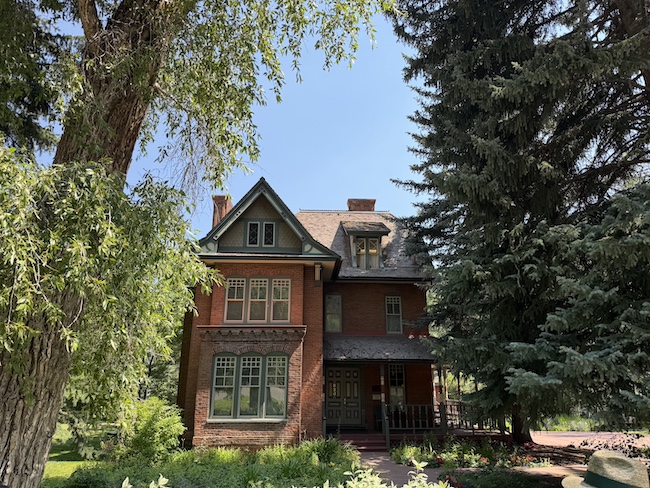
Wheeler-Stallard Museum at 620 W Bleeker St.
Our first stop was the Wheeler-Stallard Museum, home of the Aspen Historical Society.
Built by mining entrepreneur Jerome Wheeler, the property occupies an entire city block because Wheeler intentionally purchased the surrounding land rather than allowing alleys behind his home.
Today, the museum serves as an excellent introduction to Aspen's fascinating past and offers visitors a deeper appreciation for the city's historic preservation efforts.
Herbert Bayer's Lasting Influence on Aspen
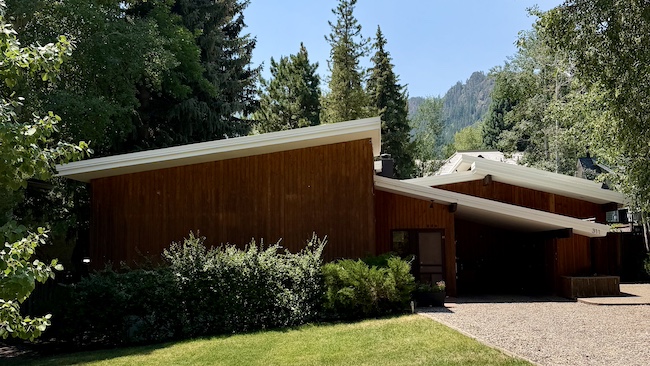
Bayer Designed Home on W North Street
One of the most fascinating stories from the tour centered around Herbert Bayer.
Originally from Austria and later associated with Germany's Bauhaus movement, Bayer arrived in Aspen after being recruited by Walter Paepcke to help redefine the town as a cultural destination following the mining era.
His influence can still be seen throughout Aspen today.
From distinctive fencing designs to elegant mid-century modern homes, Bayer blended modern architecture with Aspen's natural mountain landscape in ways that continue to inspire architects decades later.
One highlight was a beautiful Bayer-designed home on West North Street whose roofline was intentionally designed to resemble Colorado's snow-covered mountain peaks.
Victorian Charm Meets Modern Design
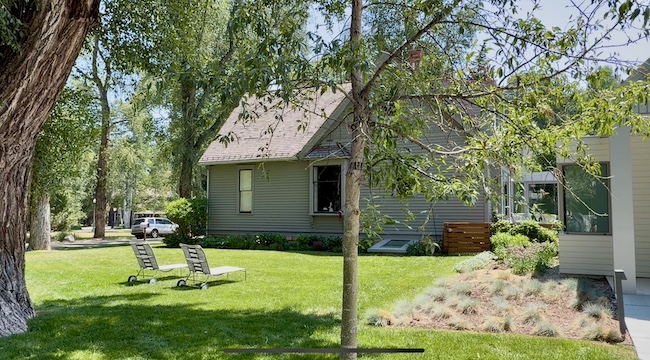
Example of Historic Home Connected to a Modern Addtion
One of the most enjoyable aspects of walking through Aspen's West End is the remarkable architectural diversity.
Historic Victorian homes sit comfortably beside striking modern residences and beautifully restored mid-century modern masterpieces.
Several homes seamlessly connect historic structures with contemporary additions, demonstrating how Aspen continues to preserve its history while embracing modern design.
It's a neighborhood unlike any other in Colorado.
Hidden Stories Around Every Corner
The walking tour is filled with memorable stories that bring Aspen's history to life.
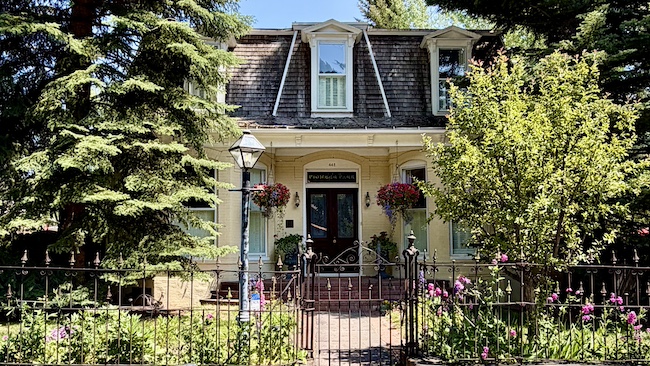
Henry Webber Home on the West End
Visitors learn about:
- The Henry Webber House, Aspen's first all-brick residence
- Gretl's historic home, where visitors reportedly included John F. Kennedy and Jack Nicholson
- Boarding houses relocated from other parts of Aspen
- Historic irrigation ditches that still flow throughout town
- Towering cottonwood trees planted during Aspen's early years
- French-inspired Mansard roof architecture
- Stunning views of Ajax Mountain from quiet residential streets
Every stop adds another chapter to Aspen's remarkable story.
Why Aspen Has Almost No Art Deco Buildings
One of the more surprising facts shared during the tour explained why Aspen has virtually no Art Deco architecture.
After the collapse of the silver mining industry, Aspen experienced decades of economic hardship. During the prosperous 1920s—when Art Deco flourished across America—there simply wasn't enough money in Aspen for significant new construction.
Instead, development resumed decades later, helping create the unique blend of Victorian and mid-century modern architecture seen today.
Why You Should Take This Tour
The Aspen Historical Society does an outstanding job preserving the stories that make Aspen so unique.
Rather than simply admiring beautiful homes from the street, visitors gain an understanding of the people, architects, entrepreneurs, and visionaries who built Aspen into the destination it is today.
Whether you're visiting for a weekend, relocating, or simply love architecture and history, the Historic West End Walking Tour is one of Aspen's most rewarding experiences.
Thinking About Living in Aspen?
As someone who specializes in Aspen real estate, I believe understanding the town's history adds tremendous value when considering a home here.
From historic Victorians to contemporary mountain estates, every neighborhood has its own story.
If you're considering buying or selling real estate in Aspen or simply have questions about the local market, I'd be happy to help.
David Buck
Christie's International Real Estate
Phone: 808-371-3509
Conclusion
Aspen's Historic West End is much more than a beautiful neighborhood—it's a living museum filled with stories, remarkable architecture, and a rich cultural heritage.
Thanks to the Aspen Historical Society and knowledgeable guides like Amy Honey, visitors can experience the history behind the homes while gaining a deeper appreciation for one of Colorado's most iconic communities.
If you're planning a trip to Aspen, be sure to add the Historic West End Walking Tour to your itinerary. You'll leave with a new perspective on this extraordinary mountain town.