Aspen, Colorado, is known around the world for its luxury real estate, spectacular mountain scenery, world-class skiing, and upscale lifestyle. But what is it really like to live in Aspen year-round? While visitors often experience the area during a ski vacation or summer getaway, residents see a different side of this mountain town. From the high cost of living and seasonal crowds to the incredible outdoor recreation and tight-knit community, there are several important things to consider before moving to Aspen.
If you're thinking about relocating to Aspen, buying a second home, or investing in Aspen real estate, understanding the advantages and disadvantages can help you decide whether this unique mountain community is the right fit for your lifestyle.
The Pros of Living in Aspen, Colorado
1. Spectacular Mountain Scenery and Outdoor Recreation
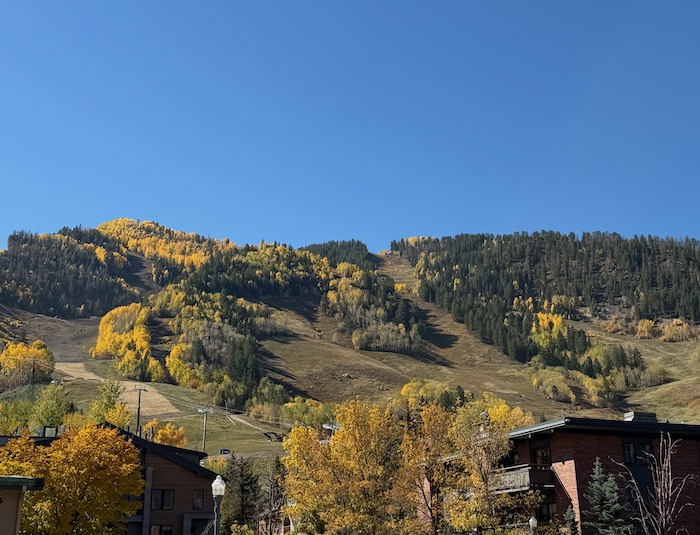
Ajax Mountain in the Fall
One of the biggest advantages of living in Aspen is having the Rocky Mountains right outside your door. The area's natural beauty is part of everyday life, with stunning mountain views, evergreen forests, rushing rivers, and the famous golden aspen trees that transform the landscape each fall.
Outdoor recreation is a major part of the Aspen lifestyle. Residents can enjoy skiing and snowboarding in the winter, hiking and mountain biking in warmer months, and activities such as fly fishing, road cycling, golfing, and paddleboarding throughout the year.
For people who enjoy an active lifestyle, living in Aspen offers opportunities that are difficult to replicate in many other communities. Rather than planning an occasional mountain vacation, residents can enjoy the outdoors as part of their daily routine.
2. Four Distinct Seasons
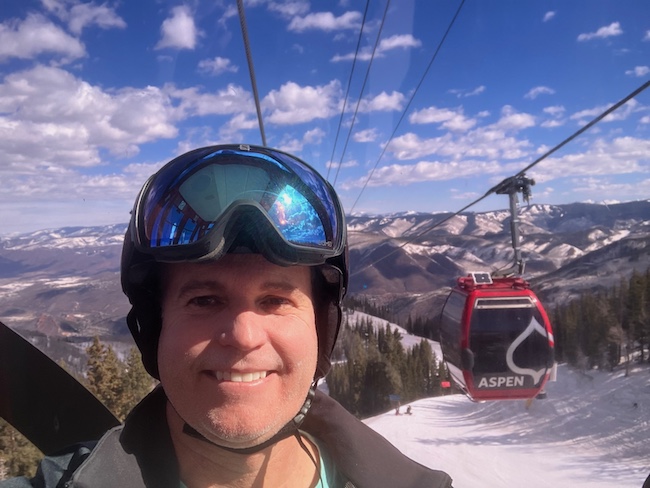
Gondola Ride in the Winter
Although Aspen is famous for winter sports, the area offers much more than skiing. Each season brings a different experience, making it appealing to people who appreciate year-round outdoor activities.
Winter brings snow-covered mountains, ski season, and a lively atmosphere throughout downtown Aspen and Snowmass Village. Spring offers a quieter period as the ski season winds down and the valley transitions toward warmer weather.
Summer is especially popular with residents who enjoy hiking, mountain biking, outdoor dining, concerts, and community events. Fall brings cooler temperatures and the spectacular changing colors of the aspen trees, attracting visitors from around the world.
This seasonal variety is one of the reasons many homeowners choose to spend more time in Aspen rather than visiting only during ski season.
3. A Vibrant Community and Cultural Scene
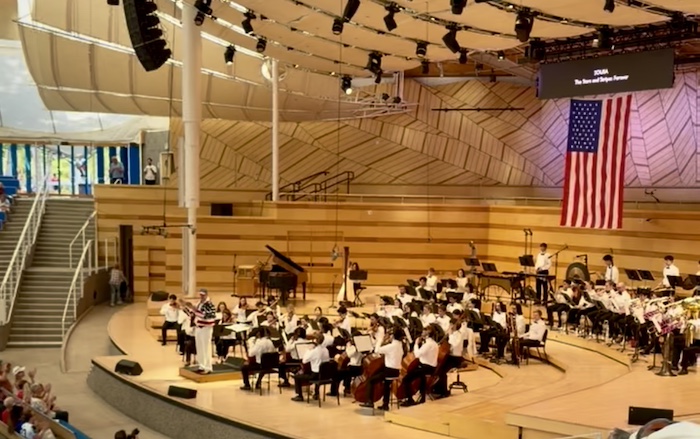
Music Tent on the 4th of July
Despite its international reputation and luxury real estate market, Aspen maintains a community atmosphere that many residents appreciate. Local businesses, community organizations, outdoor clubs, and year-round events give residents opportunities to meet people and become involved in the area.
Aspen also offers a remarkable cultural scene for a mountain town of its size. Residents have access to art galleries, live music, theater, lectures, museums, and renowned seasonal festivals. The Aspen Music Festival and School and the Aspen Ideas Festival are among the events that contribute to the town's cultural appeal.
Dining is another highlight. Aspen features everything from casual local restaurants and coffee shops to upscale dining experiences. For residents who appreciate food, arts, entertainment, and community activities, there is plenty to enjoy beyond the ski slopes.
4. A Lifestyle That Encourages Health and Wellness

Biking in the Fall
Living in Aspen can make it easier to prioritize physical activity and time outdoors. Hiking trails, cycling routes, ski areas, and recreational opportunities are readily accessible, encouraging residents to incorporate exercise into their daily lives.
Many people are drawn to Aspen because they want a different pace of life, with greater access to nature and more opportunities to spend time outside. Whether it's taking a morning walk, skiing before work, or enjoying a weekend hike, outdoor recreation is an important part of the local lifestyle.
Of course, the altitude and mountain environment require some adjustment, but for people who enjoy an active lifestyle, these surroundings can be a major benefit.
5. A Highly Desirable Luxury Real Estate Market
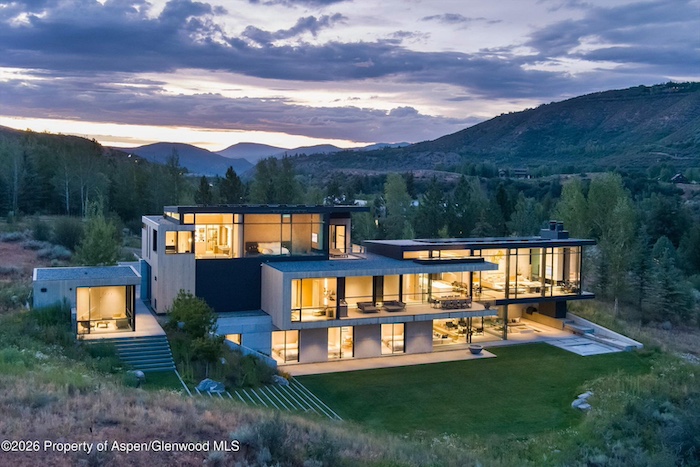
Modern Luxury Home in Aspen
Aspen real estate attracts buyers from across the United States and around the world. Its international reputation, limited developable land, mountain setting, and strict development constraints contribute to its appeal as a luxury property market.
Buyers can find a variety of properties, including downtown condominiums, ski-oriented residences, contemporary mountain homes, and expansive estates. Each offers a different way to experience the Aspen lifestyle.
Some buyers are looking for a primary residence, while others want a second home for family vacations or a property they can enjoy for generations. For qualified buyers, Aspen can offer a distinctive combination of lifestyle benefits and real estate ownership.
However, no real estate market is guaranteed to appreciate. Buyers should carefully evaluate property prices, carrying costs, local regulations, and their long-term financial objectives before making a purchase.
The Cons of Living in Aspen, Colorado
1. The High Cost of Living
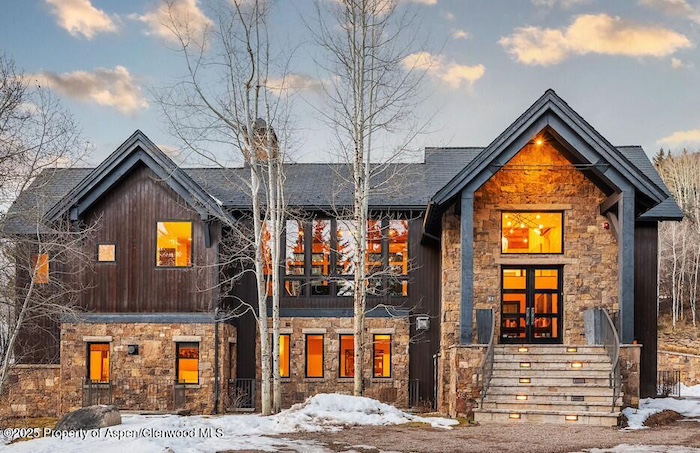
Mountain Valley Home (MLS #191211) Just Over 2015's Median Price at $14,995,000
One of the biggest challenges of living in Aspen is the cost. Housing prices can be substantially higher than in many other Colorado communities, particularly for properties close to downtown Aspen or the ski areas. The median home sale last year was a staggering $14,690,000.
But the cost of living extends beyond purchasing a home. Property taxes, homeowners insurance, utilities, maintenance, renovations, and other ownership expenses should all be considered when preparing a budget.
Everyday expenses can also add up. Restaurant meals, services, contractors, and certain household necessities may cost more than newcomers expect. In a mountain community with limited housing and labor availability, finding qualified service providers can sometimes be challenging as well.
Before moving to Aspen, consider your complete monthly budget rather than focusing solely on the purchase price of a home.
2. Seasonal Crowds and Tourist Traffic
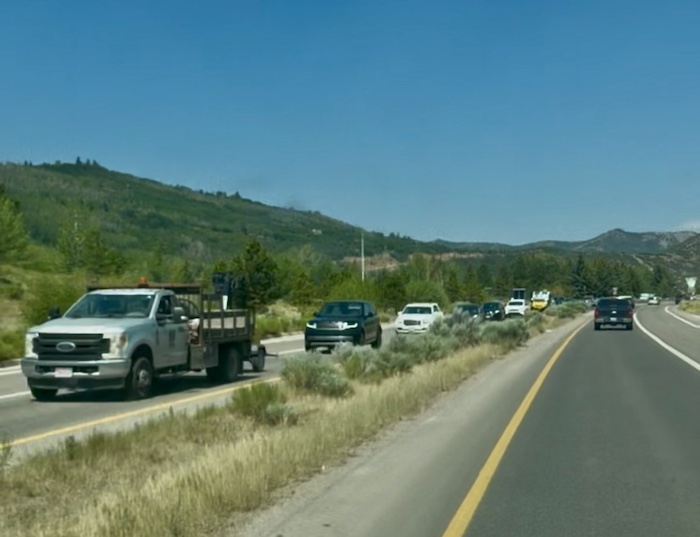
Aspen Traffic on Highway 82 During the Summer
Aspen is an internationally recognized destination, and that popularity has consequences for people who live here year-round.
During peak winter holidays, school breaks, major events, and busy summer periods, downtown can become crowded. Restaurant reservations may be harder to secure, parking can be more difficult, and traffic may increase along major routes.
For some residents, the energy and activity are part of what makes Aspen special. For others, the seasonal crowds can become frustrating, especially when running everyday errands.
Longtime locals often adjust their routines to accommodate the busiest periods. Knowing when the town is most active and planning accordingly can make year-round living more enjoyable.
3. Limited Housing Inventory
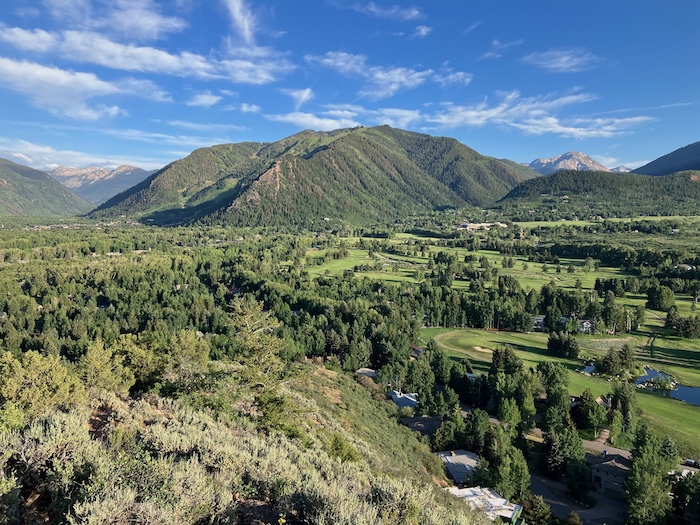
View Over Cemetery Lane Towards Town w/ Limited Inventory
Finding the right home in Aspen can take patience. The combination of geographic constraints, land-use regulations, and strong demand limits the opportunities to expand the housing supply.
Buyers searching for a specific combination of location, square footage, views, amenities, and price may discover that relatively few properties meet their requirements at any given time.
This is especially important for buyers relocating from larger metropolitan areas, where they may be accustomed to having numerous neighborhoods and property types to choose from.
Depending on your budget and lifestyle, it may make sense to broaden your search to nearby communities such as Snowmass Village, Basalt Real Estate, or Carbondale. Each offers a different combination of housing options, amenities, commuting considerations, and access to Aspen.
Working with a local real estate professional can help you understand these differences and identify opportunities that fit your goals.
4. Travel Challenges and Mountain Weather

Aspen Airport During the Winter
Aspen's airport offers convenient access to the area, particularly for travelers coming from major cities. However, mountain weather can affect flight schedules, especially during the winter months.
Snowstorms and changing weather conditions can lead to delays or cancellations. Depending on your travel plans, alternative airports such as Eagle County Regional Airport or Denver International Airport may be worth considering.
Driving conditions can also be challenging during winter. Snow, ice, and changing road conditions require preparation, and travel times may be longer than expected.
For residents who travel frequently for business or need predictable transportation schedules, these factors are worth considering before relocating.
5. Adjusting to the High Altitude
Aspen sits at approximately 7,900 feet above sea level, and the altitude can affect newcomers in different ways.
Some people experience shortness of breath, fatigue, headaches, or difficulty sleeping during their initial adjustment. Physical activity may also feel more demanding than it does at lower elevations.
Staying hydrated, allowing time to acclimate, and gradually increasing exercise intensity can help. People with medical concerns should consult a healthcare professional before making significant changes to their activity level at altitude.
The adjustment is manageable for many residents, but it is an important consideration for anyone planning to make Aspen their full-time home.
6. The Difference Between Visiting and Living Here
Perhaps one of the most overlooked aspects of moving to Aspen is the difference between experiencing it on vacation and living here every day.
A vacation often centers on skiing, dining out, outdoor recreation, and enjoying the scenery. Full-time residents also need to manage household expenses, maintain their properties, navigate busy seasons, and handle everyday responsibilities.
Spring and fall can be quieter than peak winter and summer periods, and some businesses adjust their schedules seasonally. Residents need to be comfortable with these changes and the rhythm of a mountain community.
For the right person, this seasonal lifestyle is part of Aspen's appeal. For someone who prefers the convenience and variety of a large city, it may require a significant adjustment.
Is Aspen a Good Place to Live Year-Round?
For people who value outdoor recreation, mountain scenery, cultural events, and an active lifestyle, Aspen can be an exceptional place to call home. Its combination of natural beauty, dining, arts, and recreational opportunities makes it stand out among Colorado mountain communities.
However, Aspen is not the right fit for everyone. Housing costs, seasonal crowds, limited inventory, and transportation challenges can affect the experience of living here.
Your decision should depend on your priorities, financial circumstances, work arrangements, and preferred lifestyle. It is also worth exploring the surrounding Roaring Fork Valley to determine whether another community might offer a better fit.
Snowmass Village may appeal to buyers who want convenient access to skiing and mountain recreation. Basalt offers its own community atmosphere and access to the valley's outdoor amenities. Carbondale may be worth exploring for buyers seeking a different setting and a wider range of housing possibilities.
Each community has its own character, and the best choice depends on how you want to live.
Buying a Home in Aspen, Colorado
If you're considering purchasing property in Aspen, it helps to look beyond the listing price. Think about how often you plan to use the home, whether you need year-round access, what maintenance costs you can expect, and how the property fits into your long-term plans.
You should also investigate any applicable homeowners association rules, rental restrictions, insurance requirements, and local regulations before making a decision.
The Aspen real estate market includes properties across a broad range of price points, although buyers should expect premium pricing in many of the area's most sought-after locations. Exploring nearby communities can provide additional options if Aspen itself does not offer the right property for your needs.
As a local real estate professional with Christie's International Real Estate, I help buyers and sellers understand the Aspen market and the surrounding Roaring Fork Valley. Whether you're searching for a primary residence, a mountain retreat, or a luxury property, understanding the local market is an important first step.
Final Thoughts: Is Living in Aspen Worth It?
Living in Aspen offers a distinctive combination of outdoor recreation, spectacular scenery, cultural experiences, and a close connection to the mountains. For people who appreciate the lifestyle and can comfortably manage the expenses, the benefits can be significant.
At the same time, it is important to approach the decision with realistic expectations. The cost of living, seasonal tourism, limited housing availability, altitude, and mountain weather are all part of the experience.
The best way to determine whether Aspen is right for you is to spend time here during different seasons, explore the surrounding communities, and evaluate your housing options before making a move.
If you're thinking about moving to Aspen or buying real estate anywhere in the Roaring Fork Valley, I would be happy to help you explore your options.
I'm David Buck with Christie's International Real Estate. Contact me to discuss the Aspen real estate market, available properties, and the communities that may best fit your lifestyle.
Whether you're moving full-time or looking for a second home in the Colorado mountains, having the right local information can help you make a more confident decision.