🧑🎓 Real Estate Pre-Licensing Hours Required by State (2026)
Introduction
If you’re thinking about becoming a real estate agent, one of the first questions you might ask is: How hard is it to get licensed? The answer depends heavily on where you live. Real estate licensing requirements vary widely across the United States. Some states allow you to get started in as little as a week, while others require months of coursework and preparation.
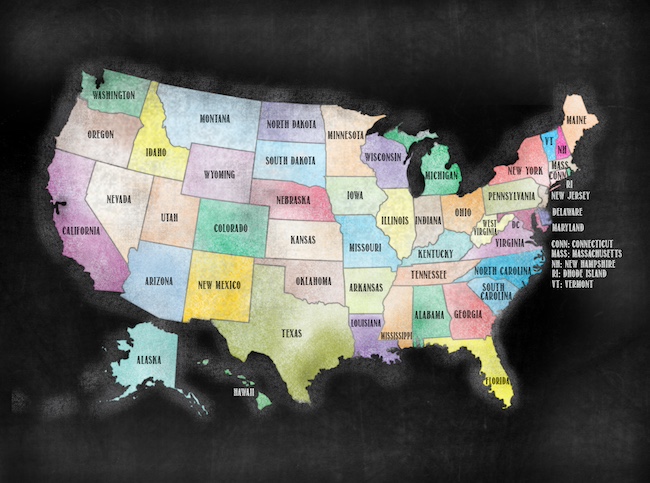
Real Estate License Requirements Vary by State
In this guide, we break down all 50 states—from the easiest to the hardest, based on pre-licensing education hours, so you can better understand what to expect before starting your real estate career.
Here’s a ranked list of all 50 U.S. states by the number of real estate pre-licensing education hours required for a new salesperson license in 2026 (from least to most hours). These totals are based on current state licensing requirements data compiled from state real estate commission information and trusted licensing guides.
Very Low Requirements ~40–49 Hours
1. Alaska – 40 hours
2. Massachusetts – 40 hours
3. Michigan – 40 hours
4. New Hampshire – 40 hours
5. Vermont – 40 hours
6. Rhode Island – 45 hours
7. Missouri – 48 hours
Low Requirements ~50–59 Hours
8. Wyoming – 54 hours
9. Maine – 55 hours
Moderate Requirements ~60 Hours
10. Alabama – 60 hours
11. Arkansas – 60 hours
12. Connecticut – 60 hours
13. Hawaii – 60 hours
14. Iowa – 60 hours
15. Kansas – 60 hours
16. Maryland – 60 hours
17. Mississippi – 60 hours
18. Montana – 60 hours
19. South Carolina – 60 hours (pre-licensing Unit I)
20. Tennessee – 60 hours core (plus additional required courses)
21. Virginia – 60 hours
Above Moderate ~60–80 Hours
22. Florida – 63 hours
23. Nebraska – 66 hours
24. Wisconsin – 72 hours
25. Georgia – 75 hours
26. Illinois – 75 hours
27. New Jersey – 75 hours
28. New York – 75 hours
29. North Carolina – 75 hours
30. Pennsylvania – 75 hours
Upper-Mid Range ~80–99 Hours
31. Arizona – 90 hours
32. Idaho – 90 hours
33. Indiana – 90 hours
34. Louisiana – 90 hours
35. Minnesota – 90 hours
36. New Mexico – 90 hours
37.North Dakota – 90 hours
38. Oklahoma – 90 hours
39. Washington – 90 hours
40. West Virginia – 90 hours
41. Kentucky – 96 hours
42. Delaware – 99 hours
High Requirements ~100–150 Hours
43. Nevada – 120 hours
44. Ohio – 120 hours
45. Utah – 120 hours
46. South Dakota – 116 hours
47. California – 135 hours
48. Oregon – 150 hours
Very High Requirements >150 Hours
49. Colorado – 168 hours
50. Texas – 180 hours (longest requirement)
Notes and Clarifications
- Some states (e.g., South Carolina, Tennessee) have multi-part coursework where only a portion is required before the licensing exam and additional coursework is required after passing or before the first renewal; the numbers above reflect pre-exam requirements.
- Ohio’s requirement was recently updated to reflect a 120-hour curriculum.
- These hours apply to salesperson (entry-level) licensing unless otherwise noted. Broker-level requirements are generally much higher.
- Requirements can change, and some states have elective vs core hour distinctions. Always verify with the specific state real estate commission.
🤔 Why Do Requirements Vary by State?
Each state regulates real estate independently, which is why requirements differ so much. Factors include: Consumer protection standards Market complexity Legal frameworks State education policies States with higher requirements often aim to ensure agents are more knowledgeable and better prepared for complex transactions.
💡 What This Means for You
Choosing where to get your real estate license can impact how quickly you start your career. If speed is your priority, states with fewer requirements may be appealing. However, states with stricter requirements may better prepare you for long-term success in the industry.
📍 Final Thoughts
Getting your real estate license is a major step toward building a flexible and potentially lucrative career. Whether you're starting in a state with minimal requirements or tackling one of the toughest like Texas or Colorado, preparation is key. If you're planning to work in Colorado or Hawaii and need guidance, reaching out to a local expert can help simplify the process and get you started faster.